
This library is for orientation only. PPS confirms pest activity, safety risk and treatment suitability after human review.
20 pests shown
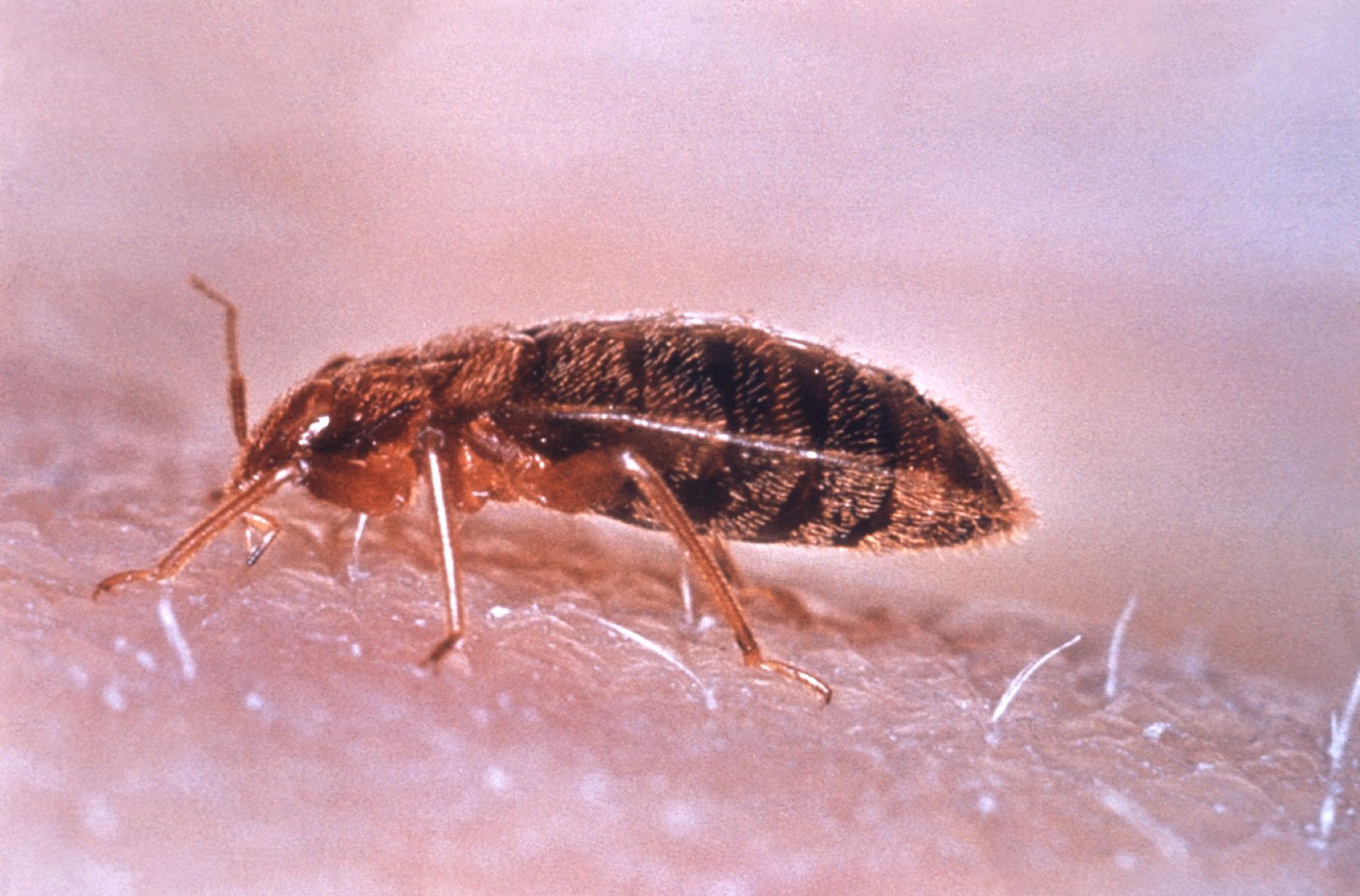
Bed bugs
Small nocturnal insects that hide in mattress seams, headboards and luggage. Cyprus travel and apartment turnover can spread them quickly between rooms.
- Small blood spots on sheets
- Dark spotting around seams and bed frames
- Itchy bites in lines or clusters
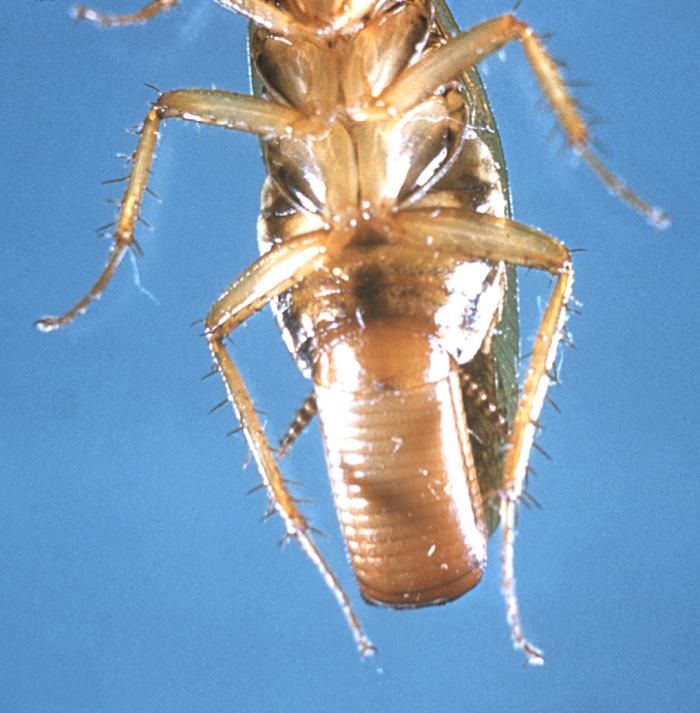
German cockroach
A small indoor cockroach common in warm kitchens, bars and food preparation areas. It breeds quickly when food, water and harbourage are available.
- Small tan cockroaches near appliances
- Pepper-like droppings in cupboards
- Egg cases in cracks or behind equipment
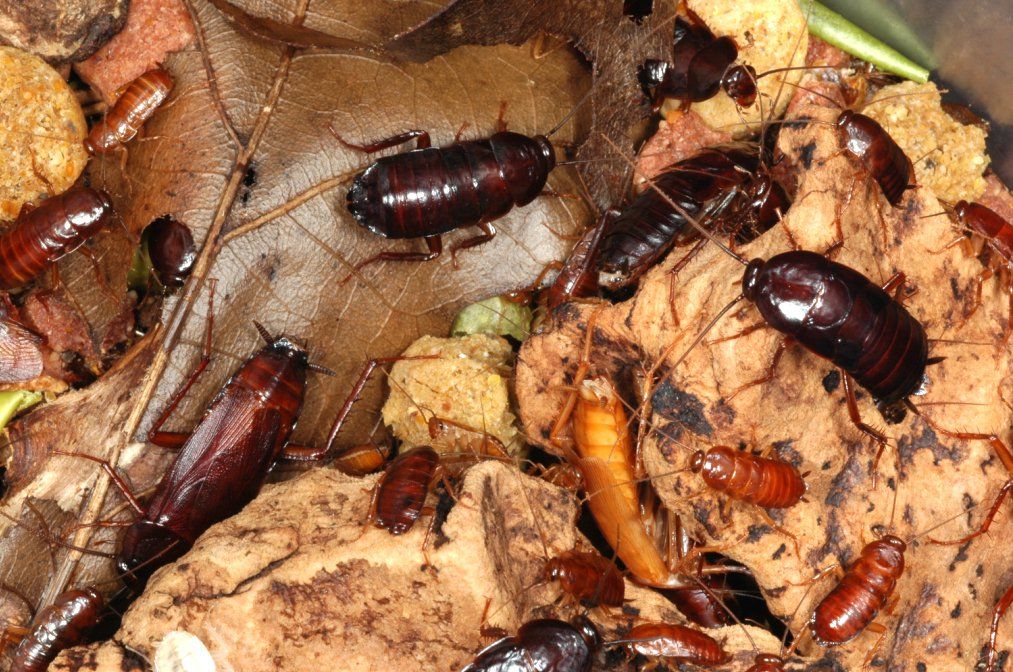
Oriental cockroach
A larger dark cockroach often linked with drains, damp voids and ground-floor areas. In Cyprus it can enter buildings from external harbourage.
- Large dark cockroaches near drains
- Musty odour in damp areas
- Droppings around floor-wall junctions
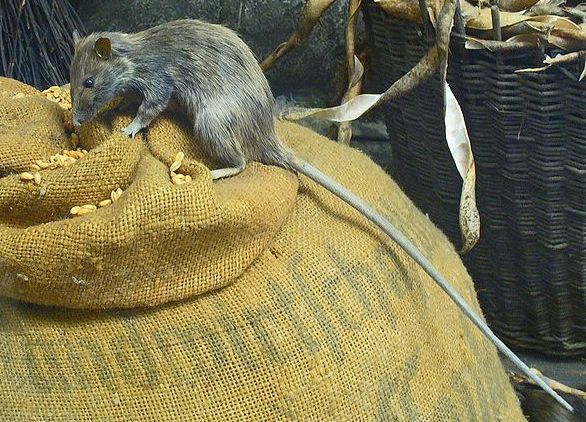
Black rats
Agile rats that climb well and can use roofs, trees, cables and loft spaces. They are a common concern around coastal and older urban buildings.
- Noises in roof voids at night
- Rub marks on beams or pipes
- Droppings in lofts or stores
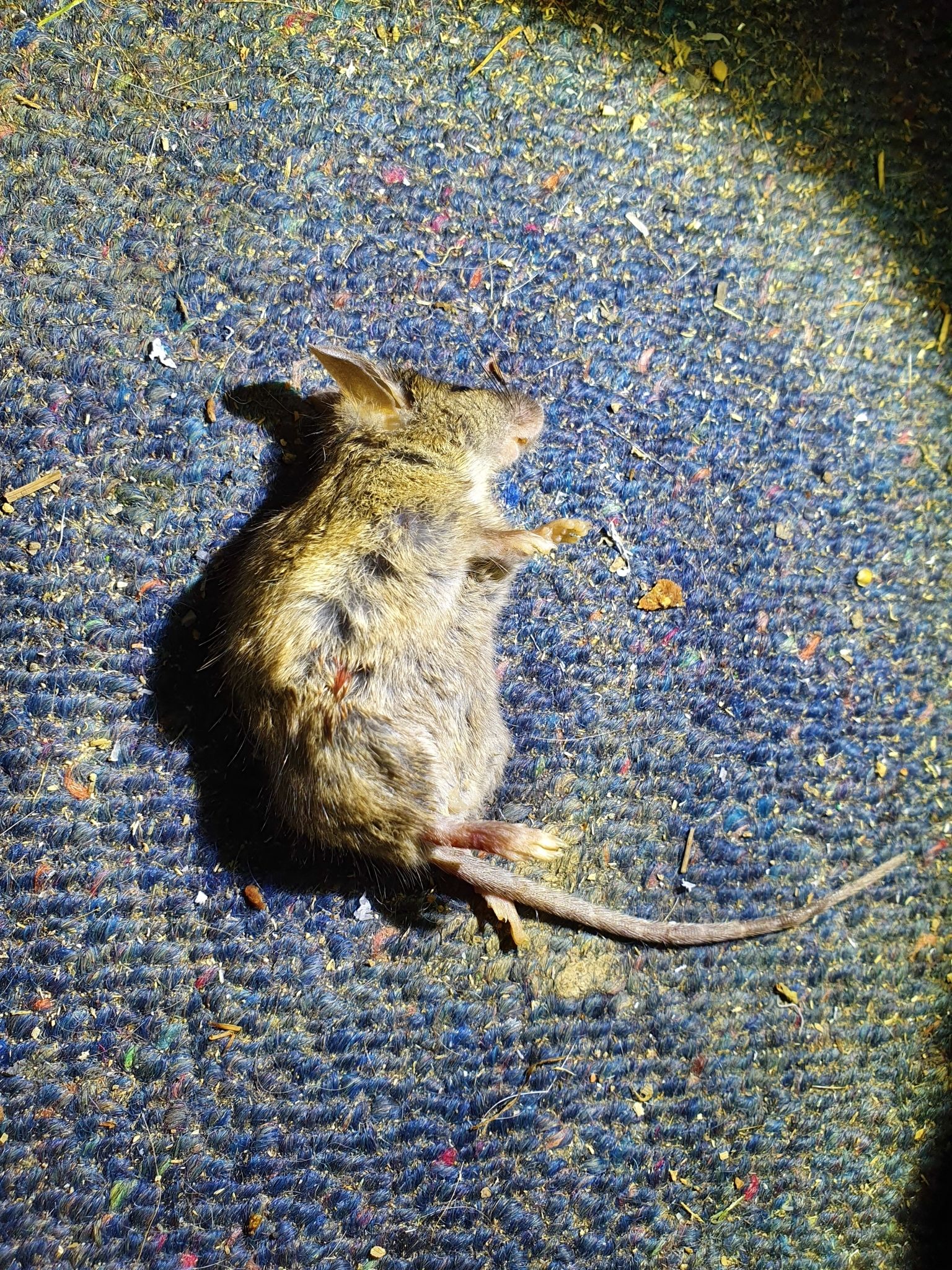
House mice
Small rodents that enter through tiny gaps and establish quickly around kitchens, stores and false ceilings.
- Rice-sized droppings
- Gnawed packets or insulation
- Scratching inside walls
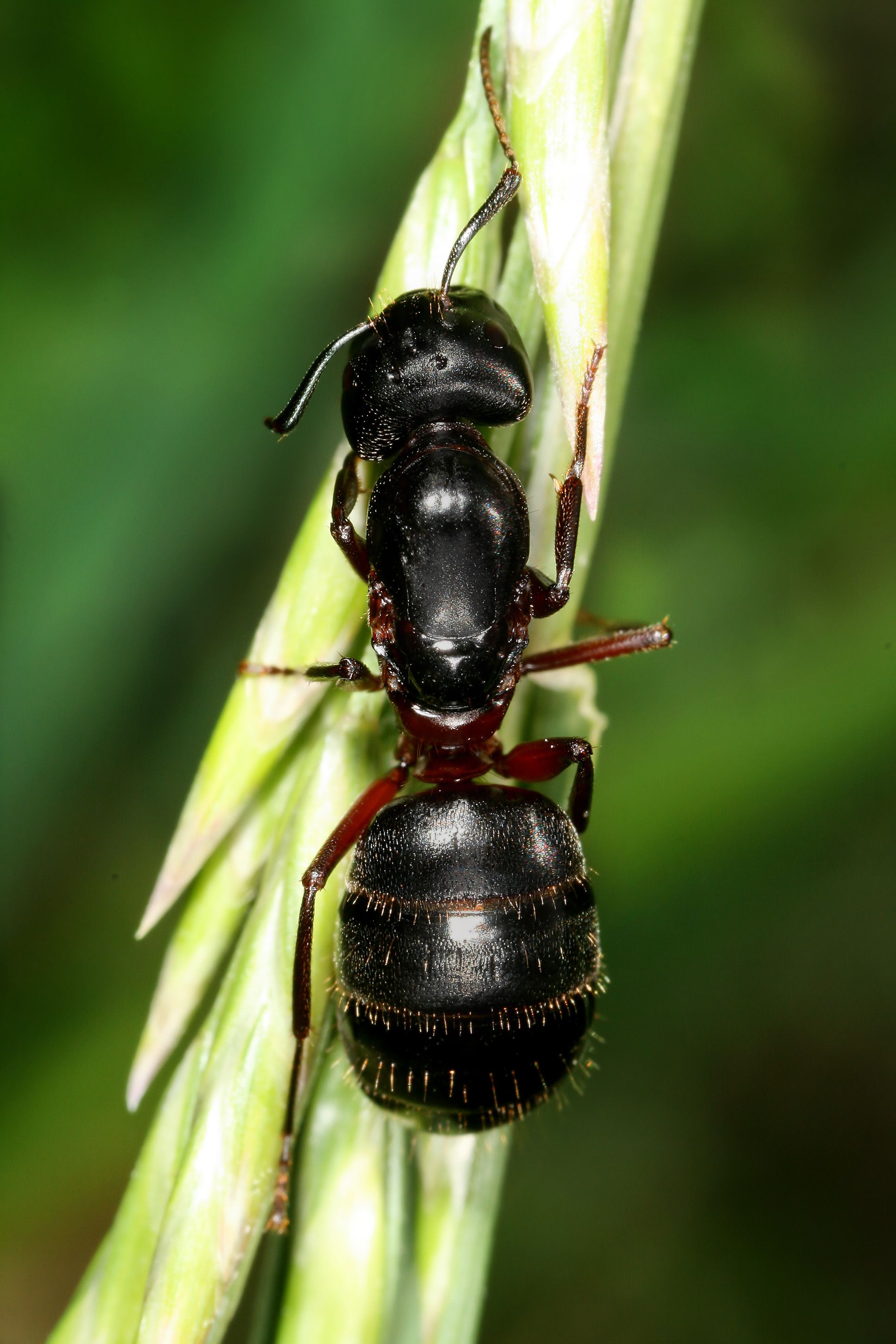
Ants
Ants often trail indoors during warm Cyprus months looking for water or sugary food. Correct species and nest location matter for control.
- Trails along tiles or counters
- Small soil piles near cracks
- Activity around pet bowls or bins
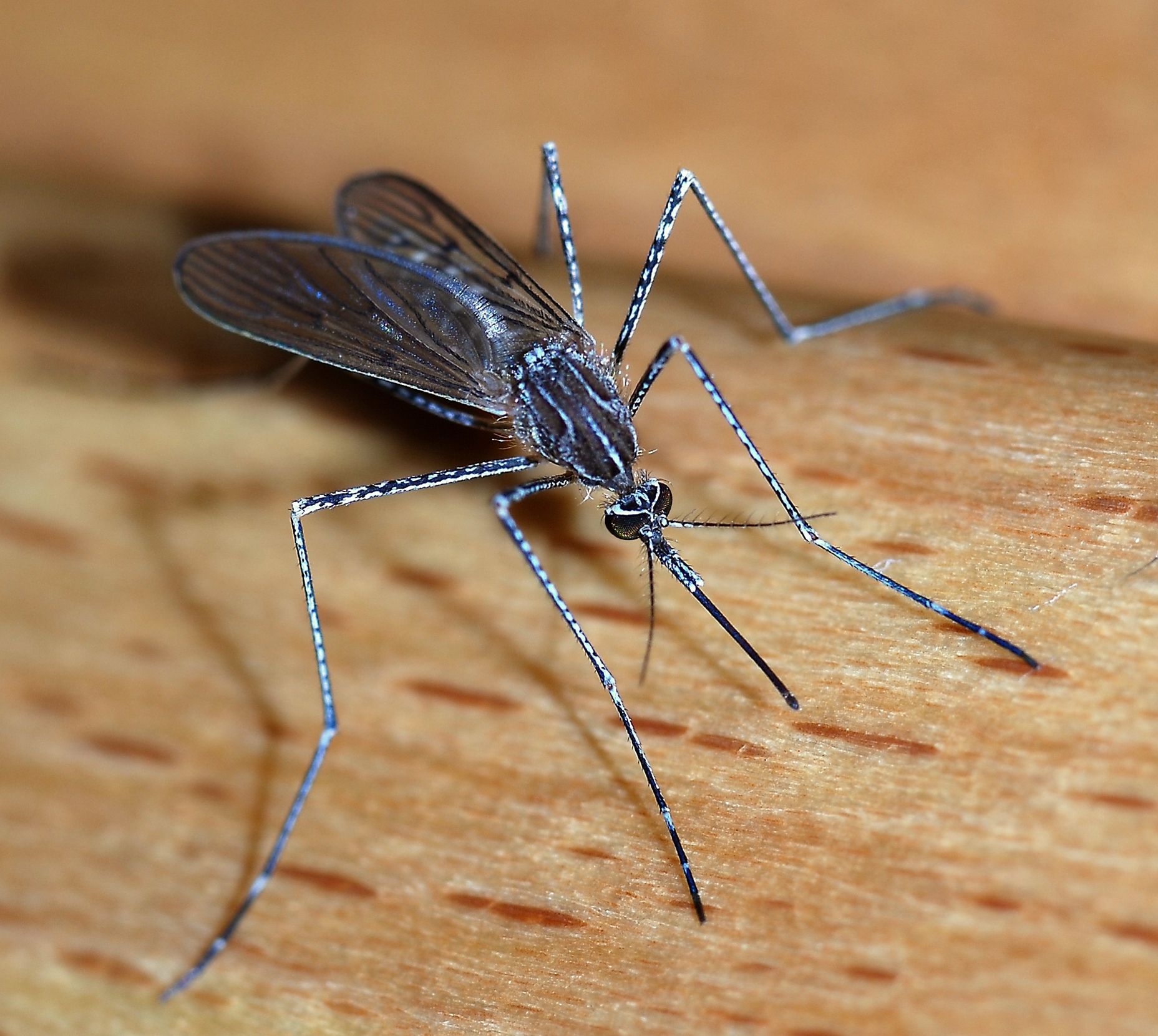
Mosquitoes
Seasonal biting flies that breed in standing water. Gardens, drains, pools and hotel landscapes can support recurring activity.
- Biting at dusk or dawn
- Larvae in standing water
- High activity near drains or planters
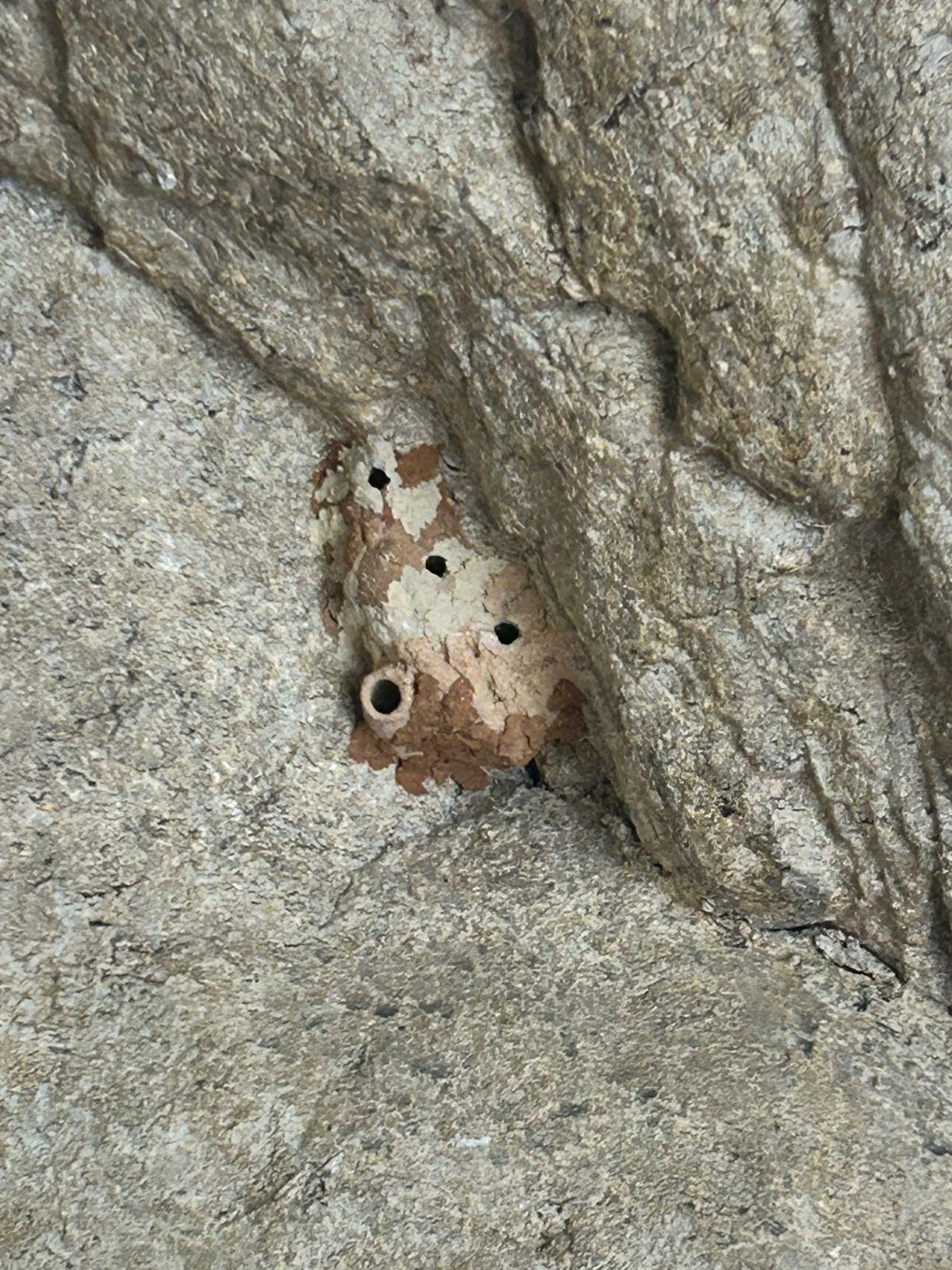
Wasps
Wasps can nest in roof voids, wall cavities and garden structures. Activity becomes more noticeable around food and drinks in warm months.
- Repeated wasp flight to one hole
- Buzzing in a wall or roof void
- Wasps around bins or outdoor dining
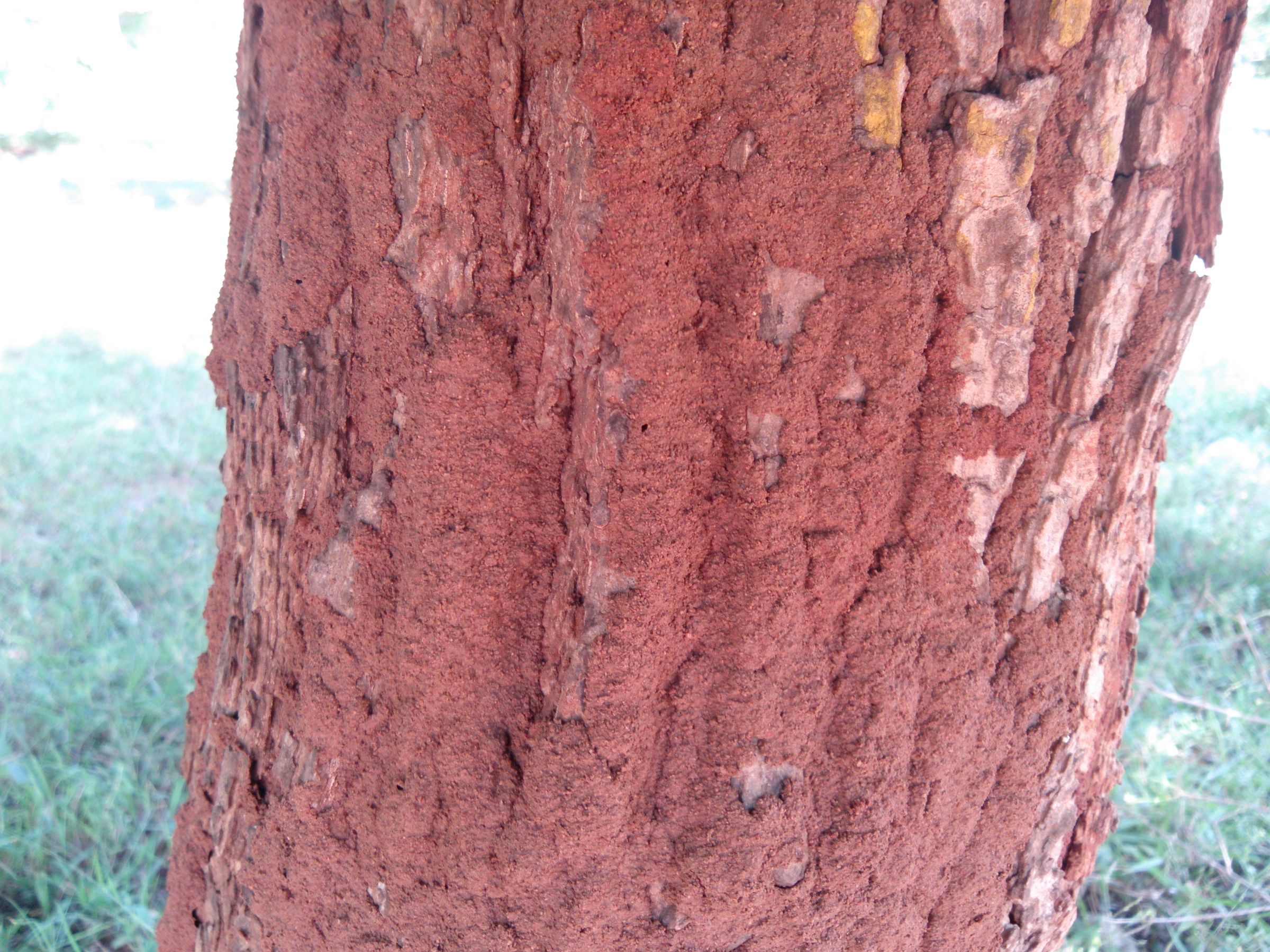
Termites
Subterranean termites can damage timber and cellulose materials while remaining hidden. Early inspection is important in vulnerable Cyprus buildings.
- Mud tubes on walls or foundations
- Hollow-sounding timber
- Blistering paint or distorted skirting
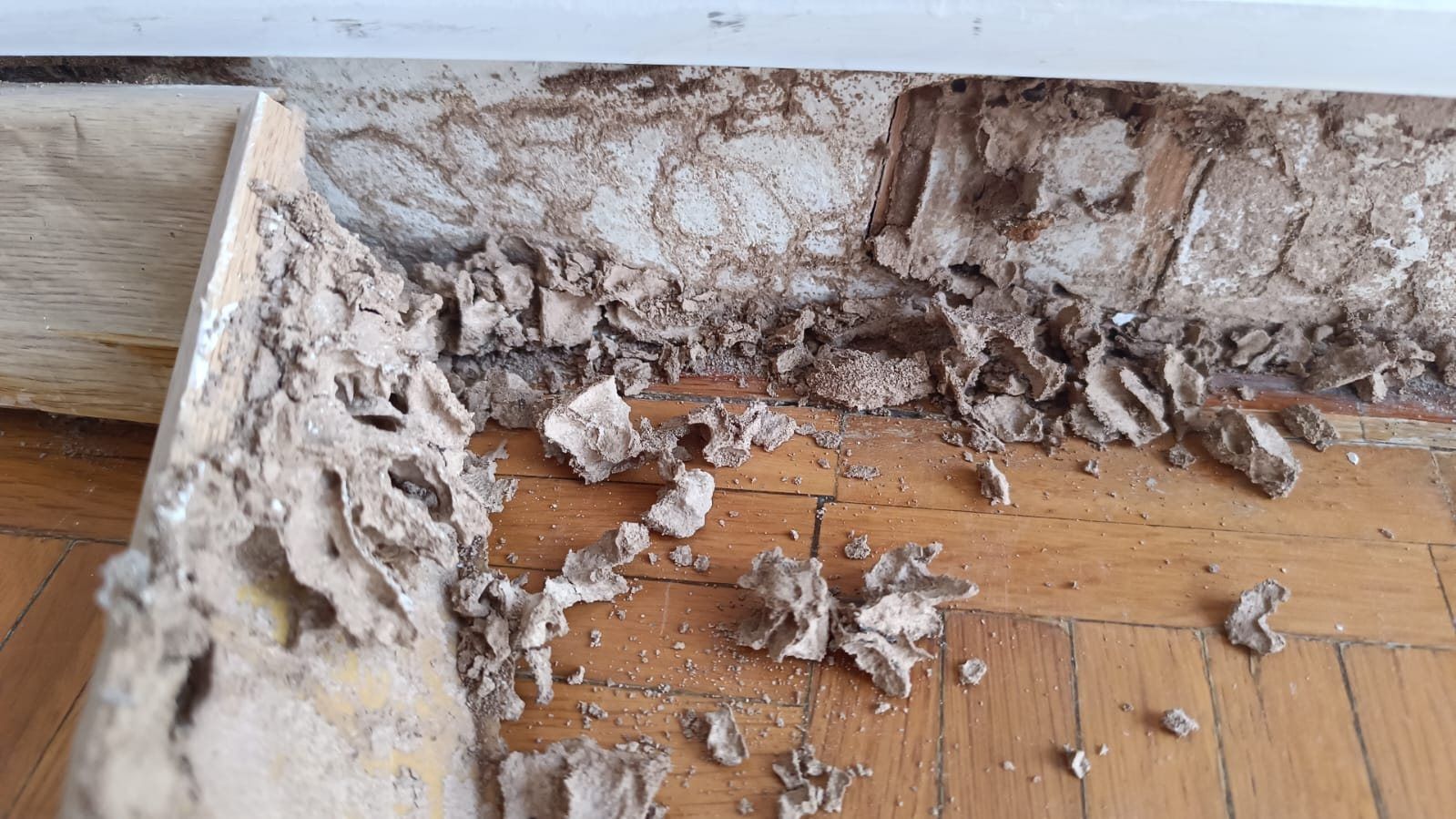
Wood-borers
Wood-boring beetle larvae tunnel through timber, leaving exit holes and fine dust. Activity must be confirmed before treatment decisions.
- Small round exit holes
- Fine powdery frass
- Weak or crumbly timber edges
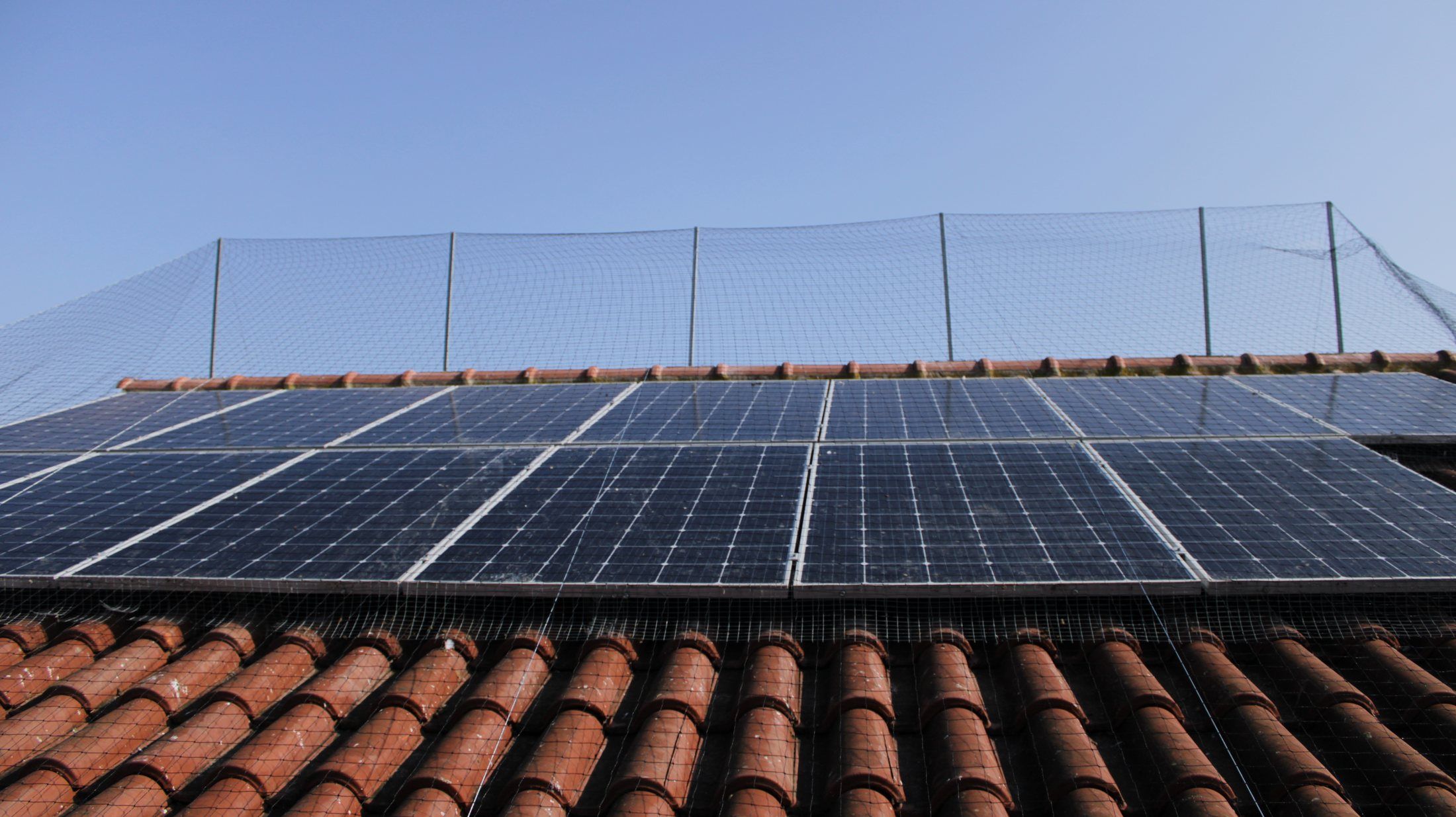
Pigeons
Pigeons roost on ledges, balconies and plant areas, creating fouling, blocked gutters and slip risks for homes and commercial buildings.
- Regular roosting on ledges
- Droppings below balconies or signs
- Nesting material in gutters
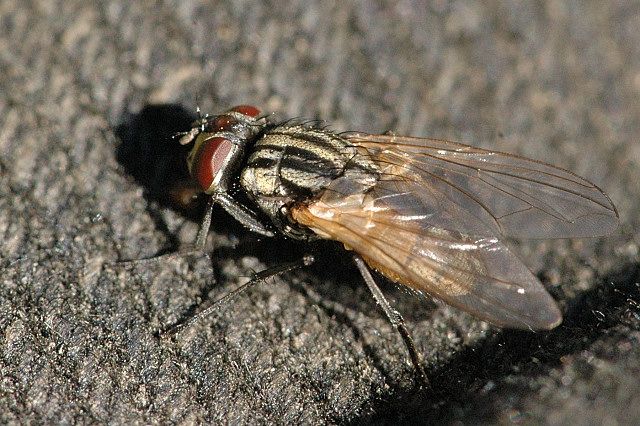
Flies
House flies and blow flies are usually linked to waste, drains, food residue or nearby organic material. Source control is essential.
- Flies gathering at windows
- Activity around bins or drains
- Maggots near waste
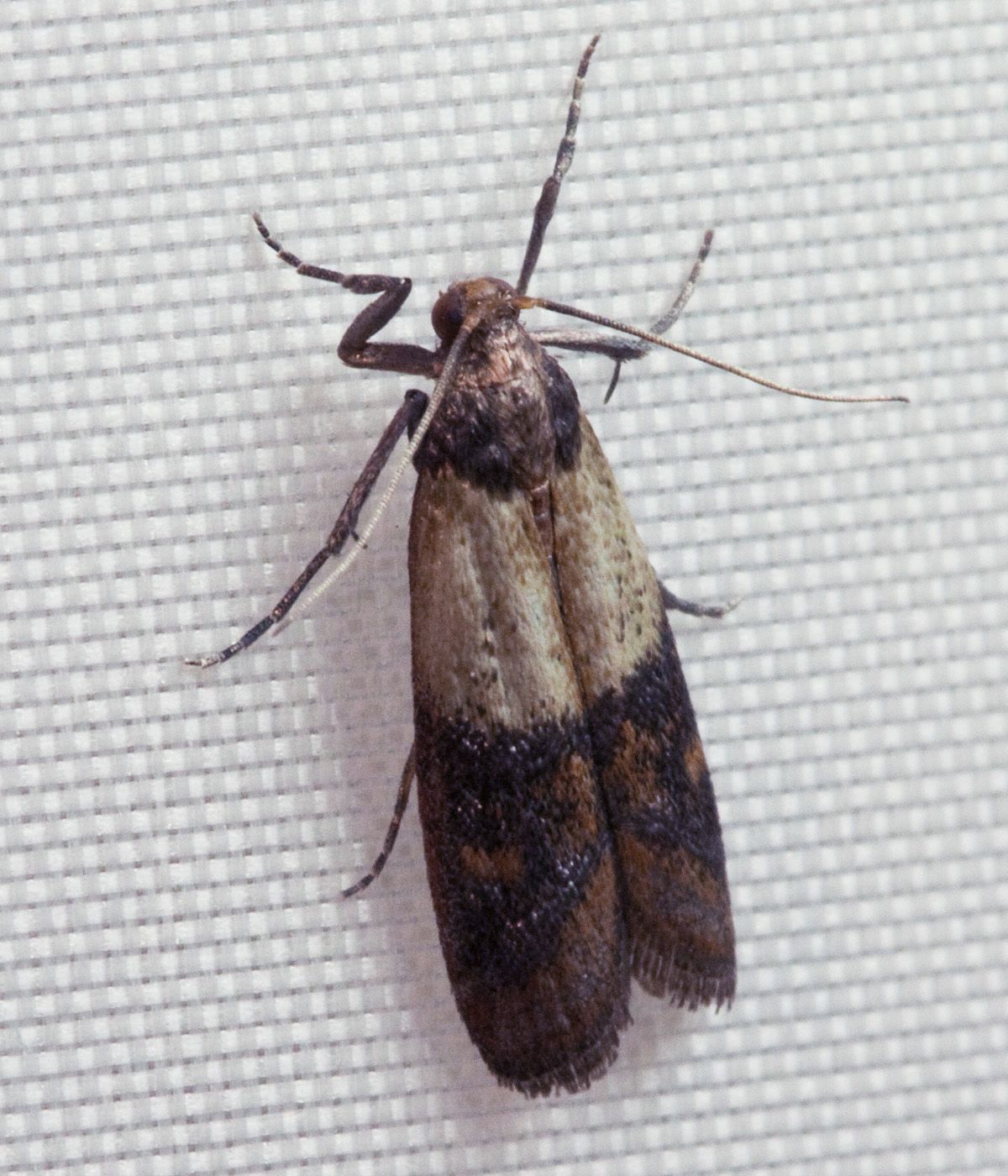
Stored-product moths
Moths that infest dry goods such as flour, grains, nuts, spices and pet food. They are important in homes, restaurants and warehouses.
- Small moths near cupboards
- Webbing in dry food
- Larvae in packets
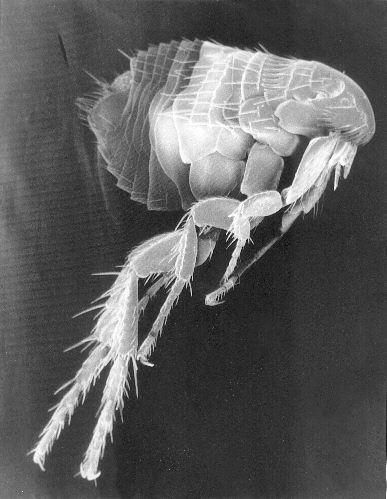
Fleas
Fleas are commonly associated with pets, stray animals or previously occupied properties. Eggs and larvae develop in carpets and soft furnishings.
- Bites around ankles
- Pets scratching
- Small jumping insects

Ticks
Ticks can be picked up by pets and people from vegetation, rural edges and animal areas. Outdoor source reduction matters.
- Ticks on pets or clothing
- Bites after garden or field exposure
- Activity near kennels or animal resting areas
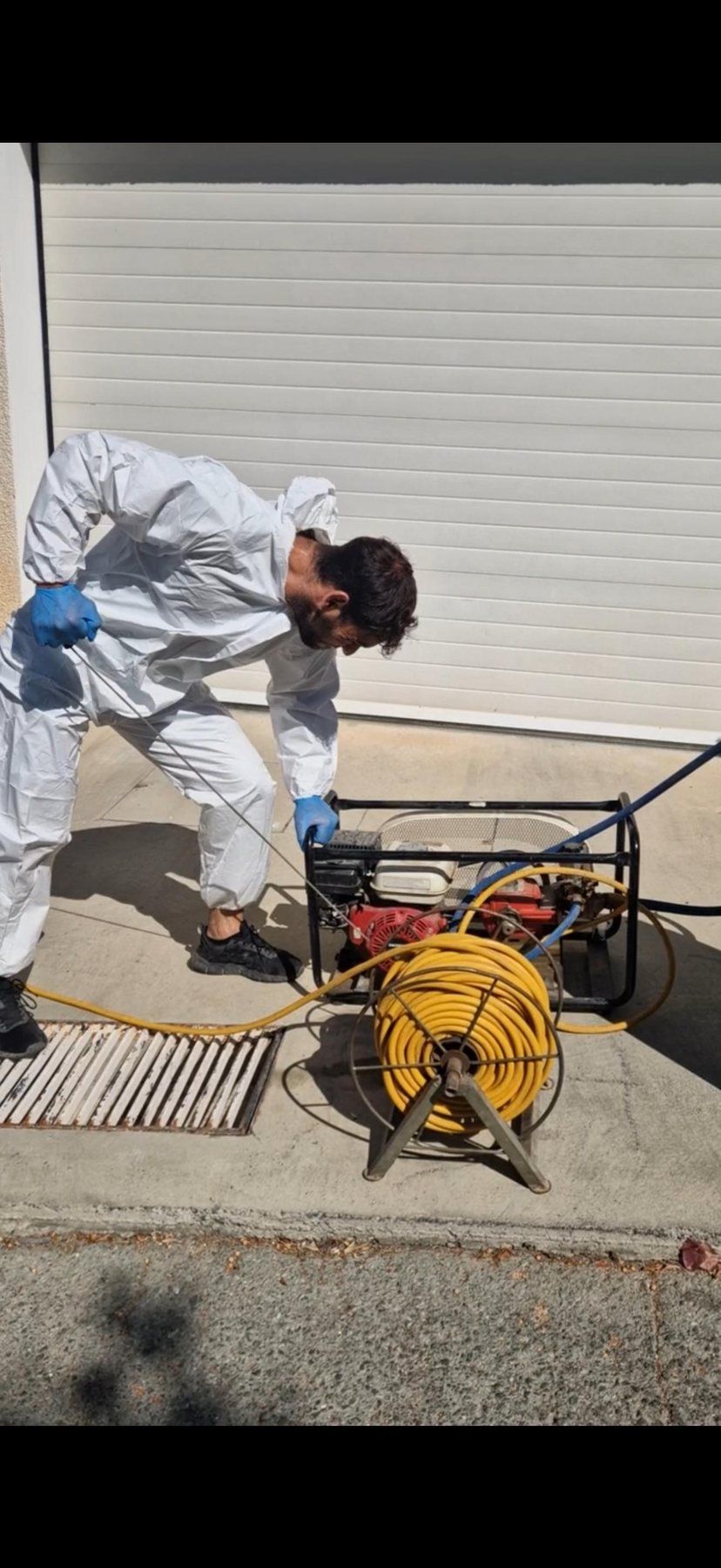
Silverfish
Moisture-loving insects often found in bathrooms, cupboards and stored paper areas. They indicate damp harbourage more than a hygiene issue.
- Silver-grey insects at night
- Damage to paper or cardboard
- Activity in bathrooms or wardrobes
Spiders
Most spiders in Cyprus are occasional invaders and beneficial predators, but webs and sightings can concern occupants and guests.
- Webs around windows and lights
- Sightings in corners or stores
- Increased activity where other insects are present
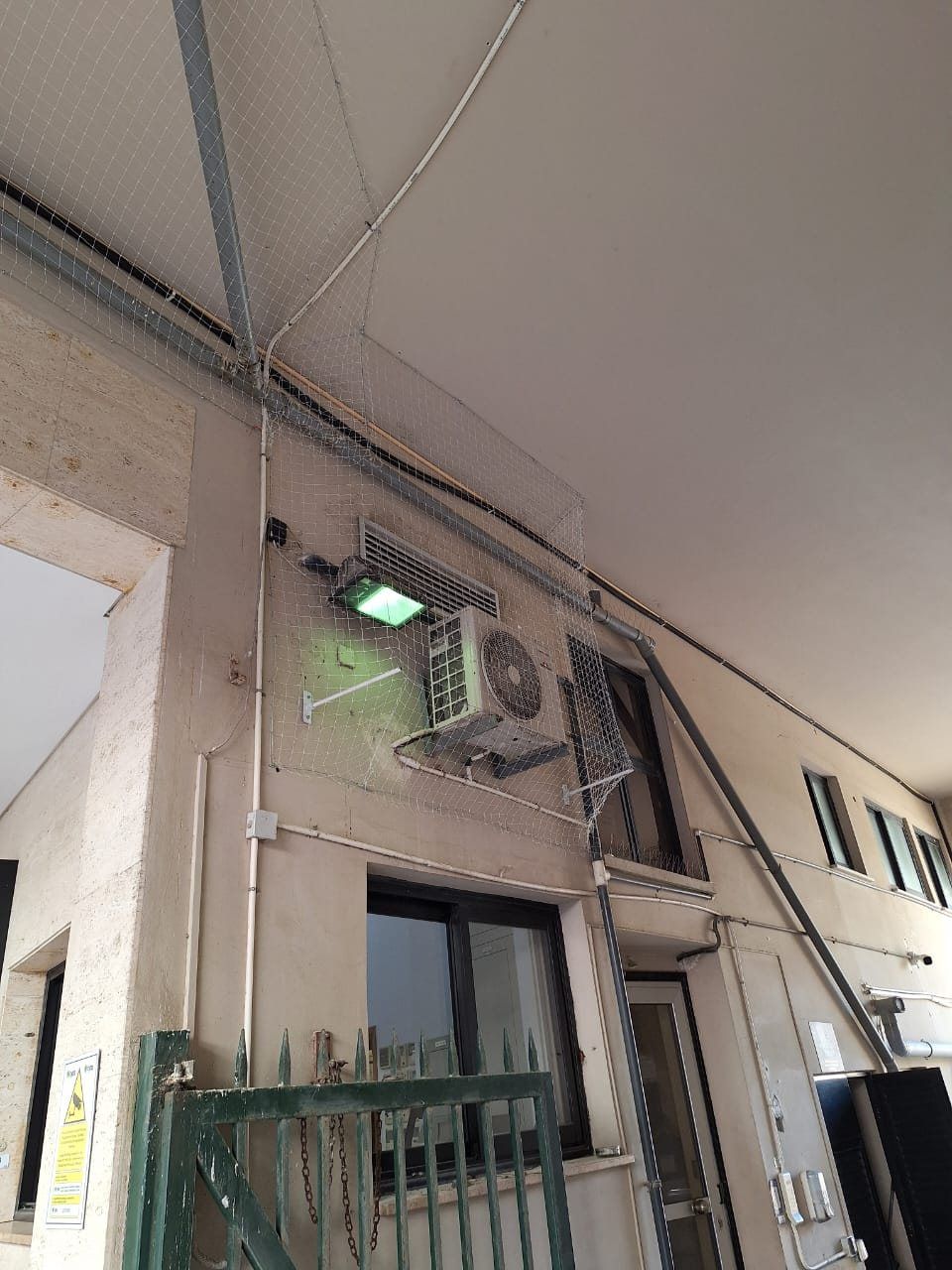
Mites
Tiny arthropods that may be linked to birds, stored products, dampness or animals. Correct source identification is critical.
- Pinpoint moving specks
- Itching without obvious insects
- Activity near bird nests, pets or stored goods
Processionary caterpillars
Caterpillars associated with pine trees. Their hairs can irritate people and pets, so nests and trails should not be handled casually.
- Silky nests in pine trees
- Caterpillars moving in lines
- Pet irritation after contact
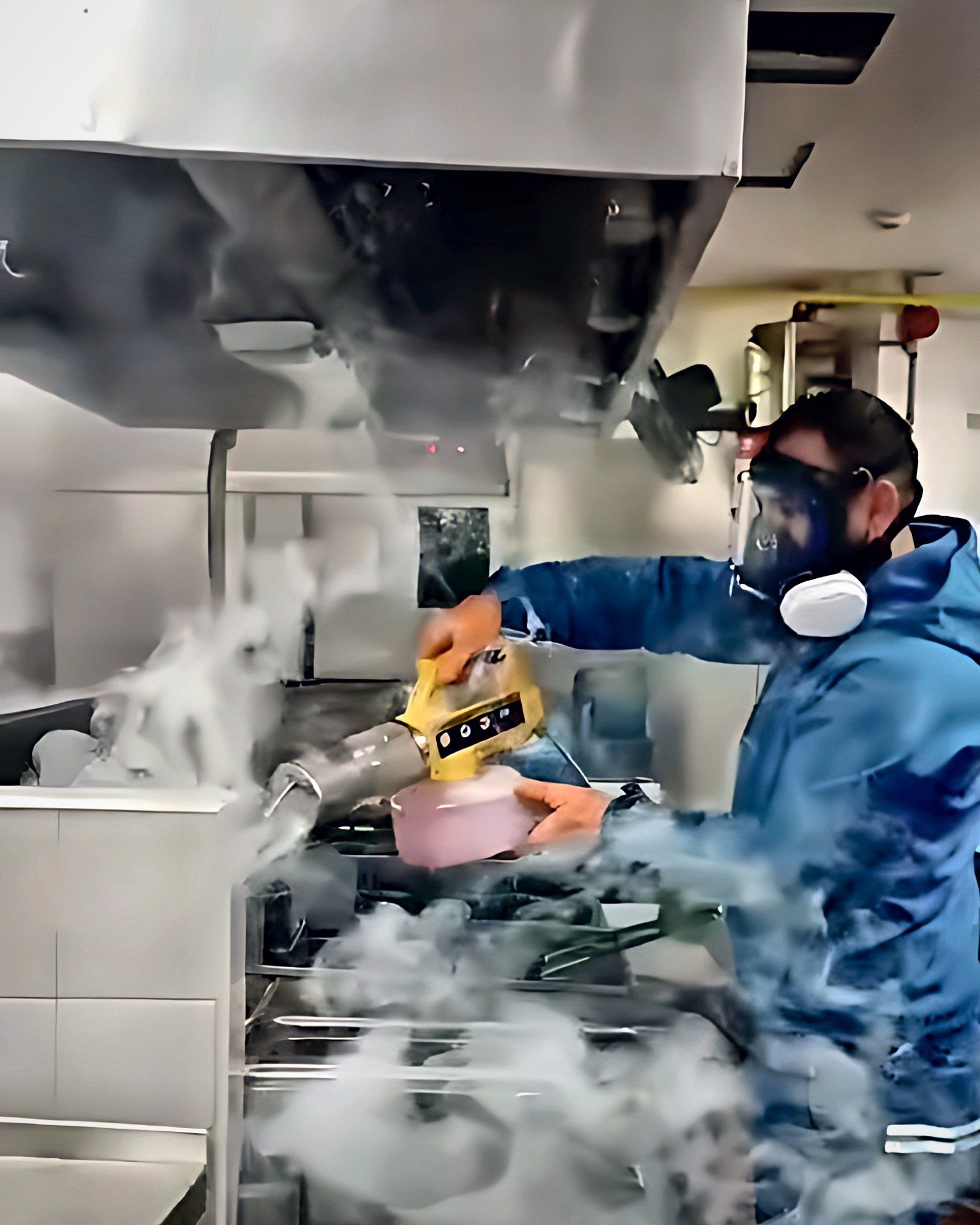
Drain flies
Small fuzzy flies that breed in organic film inside drains, gullies and wet cracks. Surface sprays rarely solve the source.
- Tiny moth-like flies near sinks
- Activity after drains are unused
- Larvae in drain slime