
Repeated flight line
Wasps fly in and out of the same hole, roof edge, wall gap, shutter box or garden feature.
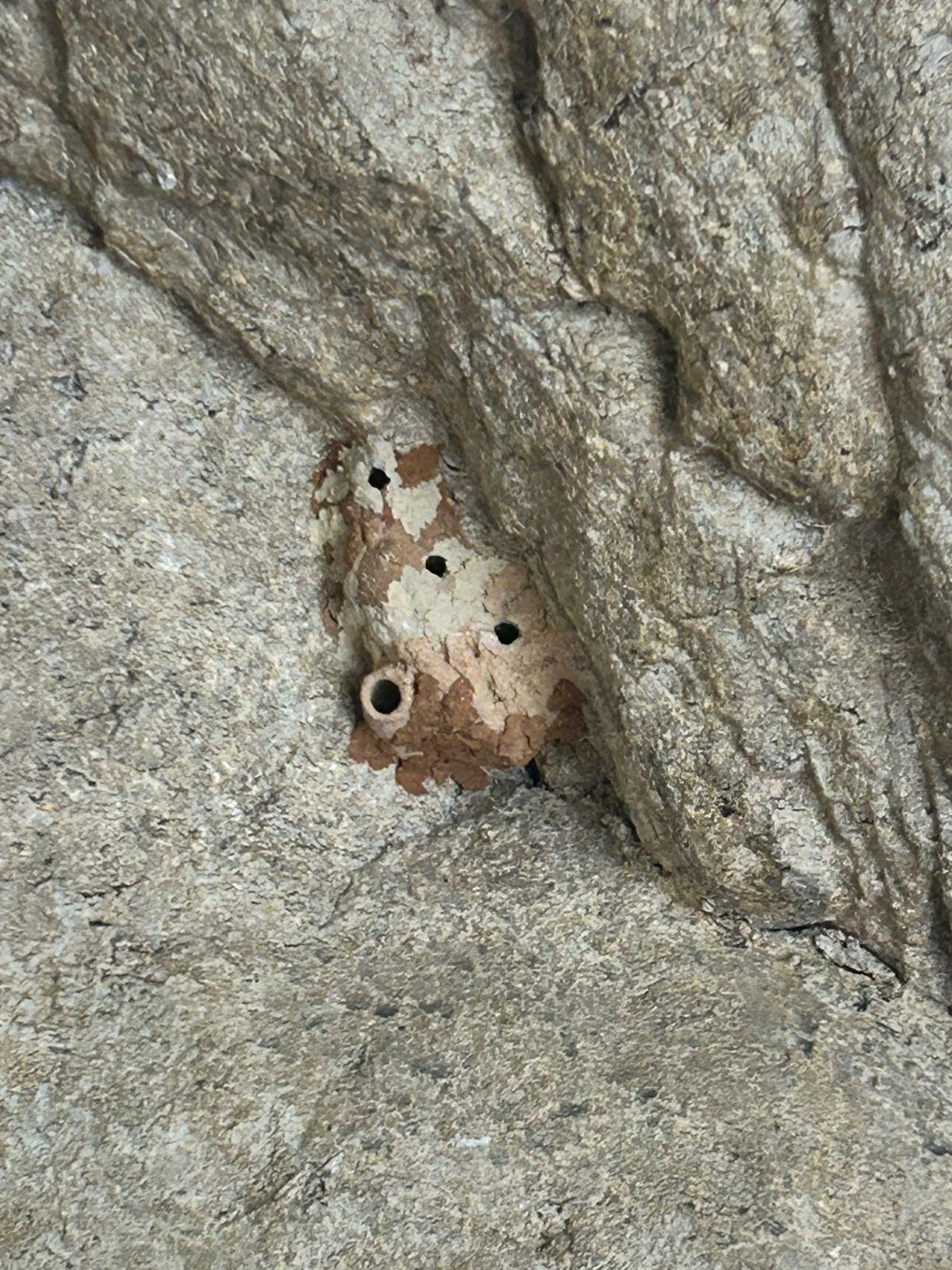
Do not disturb an active nest. PPS assesses wasp activity, risk to people and nest access before recommending treatment and prevention steps.
Risk-aware nest assessment and treatment guidance for homes, gardens and customer-facing sites.
Wasps can nest in roof voids, wall cavities, garden structures and sheltered outdoor areas. Activity often becomes obvious when people eat outside or when workers disturb a hidden nest.
Active nests can become defensive if disturbed. PPS focuses on identifying the nest route, assessing risk to people and selecting a suitable treatment approach for the site.
Repeated flight to one point, buzzing in a void or visible nest material should be treated as active until PPS confirms the next step.
Scroll to explore warning signs
Wasps fly in and out of the same hole, roof edge, wall gap, shutter box or garden feature.
Buzzing or scratching sounds come from a wall, ceiling, roof void or outbuilding.
A grey paper-like nest appears under eaves, in sheds, trees, boxes or sheltered corners.
Wasps gather around outdoor dining, bars, bins, fallen fruit or sweet drinks.
Activity is close to entrances, terraces, pools, playgrounds or customer seating.
A sting has occurred, an allergic person may be exposed or staff cannot avoid the area.
PPS combines inspection, targeted treatment and prevention guidance so the service fits what is actually happening on site.
Scroll to explore service steps
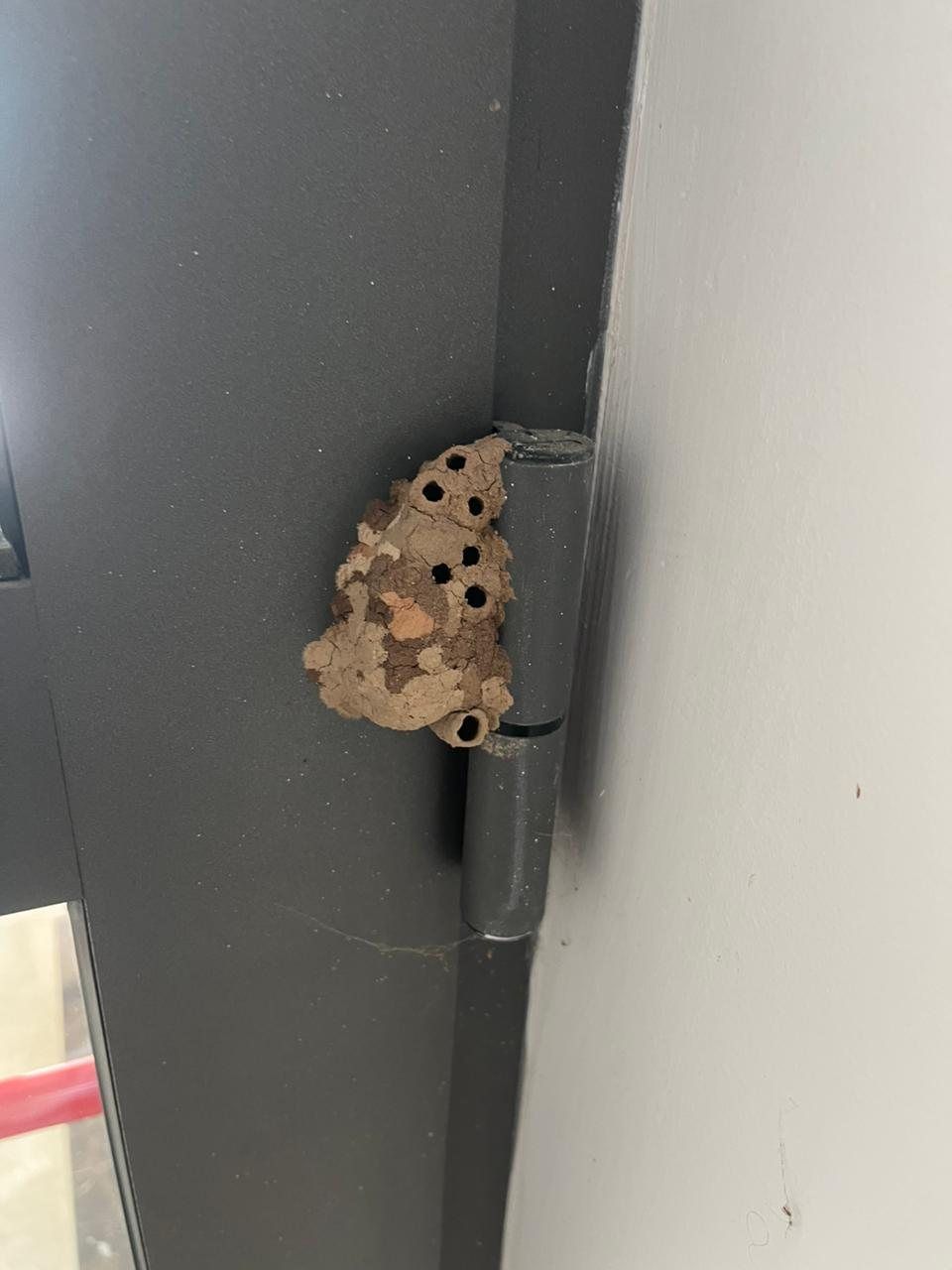
We identify the active flight route, likely nest position, access constraints and people at risk before treatment.
See Steps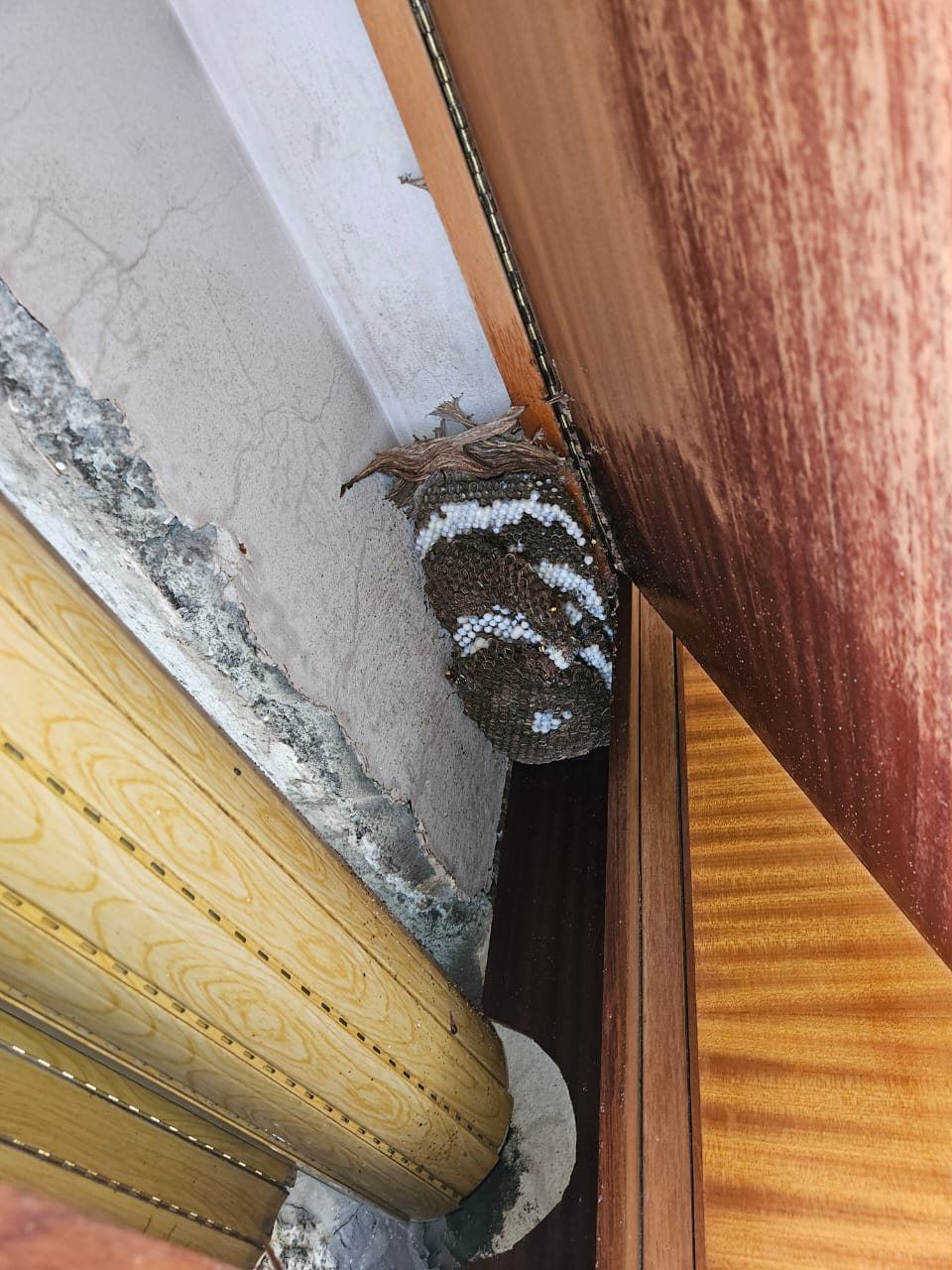
Treatment is selected according to nest location, access, activity level and site-use requirements.
See Steps
We advise how to keep people away from the active zone before and after treatment until PPS guidance says otherwise.
See Steps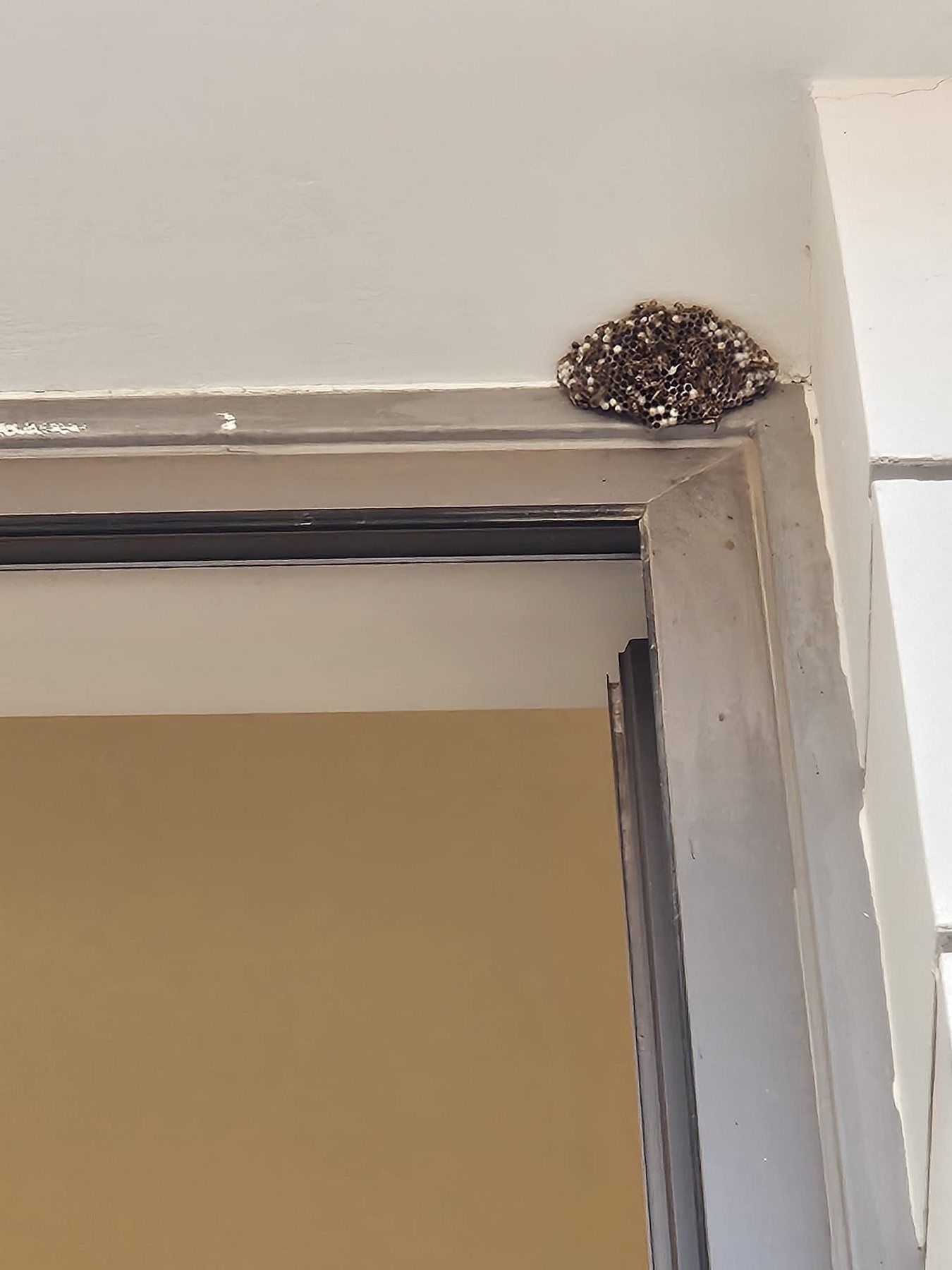
Hotels, restaurants and facilities receive clear notes for staff, access points and prevention after the nest is handled.
See StepsWasp activity can become a risk issue when nests are near people, food service or guest areas.
The page promise is backed by a repeatable service process: inspect, treat, document and reduce the conditions that caused activity.
Avoid blocking, spraying, knocking or cutting into a suspected active nest area.
PPS checks the flight line, nest position, nearby people and suitable treatment access.
Treatment is applied only after the risk, location and site conditions are understood.
Aftercare covers old entry points, bins, fallen fruit and routines that reduce future activity.
DIY products can support monitoring, hygiene and prevention. They are not a replacement for professional treatment when activity is active or spreading.
Steps for staff or families to mark and avoid suspected active nest areas before PPS attends.
Practical supports for bins, sweet residues and seating areas after professional advice.
Simple checks for old gaps and sheltered points once PPS advises the nest is inactive.
Call PPS or send details for a risk-aware assessment before anyone sprays, seals or disturbs nest material.