
Fine timber dust
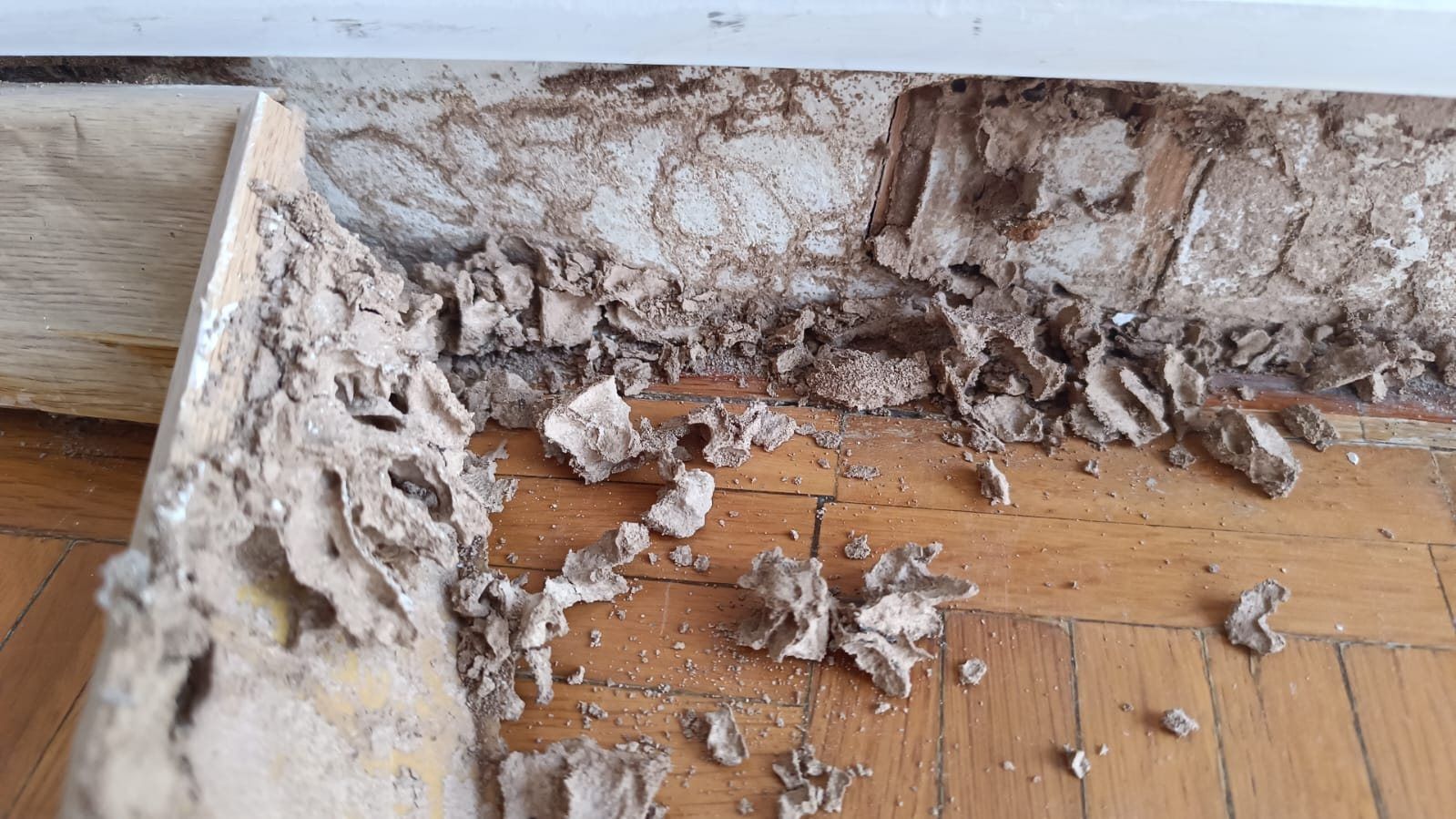
Powder or frass below furniture, beams, frames or stored wood can indicate wood-borer activity.
Review timber, structures and stored materials with inspection-led treatment, moisture advice and prevention plans for Cyprus buildings.
Timber inspection, moisture risk review and practical treatment plans for Cyprus buildings.
Termites and wood-borers can stay hidden while damage develops inside timber, wall zones, stored wood or structural details. Surface sprays rarely solve the underlying pressure.
PPS starts with identification and risk mapping: timber condition, moisture sources, soil contact, stored materials and visible flight holes. Treatment and prevention depend on what is active and where the risk is coming from.
If you see timber dust, holes, mud tubes or soft wood, avoid disturbing the area until it has been inspected.
Scroll to explore warning signs
Powder or frass below furniture, beams, frames or stored wood can indicate wood-borer activity.
Small round holes in timber surfaces can show adult insects have emerged.
Earthen tubes or staining around walls and timber may indicate termite movement routes.
Wood that sounds hollow, flakes or breaks easily needs prompt inspection.
Swarms or shed wings near windows and lights can indicate reproductive activity.
Fresh damage after cleaning or repair suggests the source was not addressed.
PPS combines inspection, targeted treatment and prevention guidance so the service fits what is actually happening on site.
Scroll to explore service steps
We inspect damaged timber, soil contact, damp zones, stored materials and visible insect evidence before treatment.
See Steps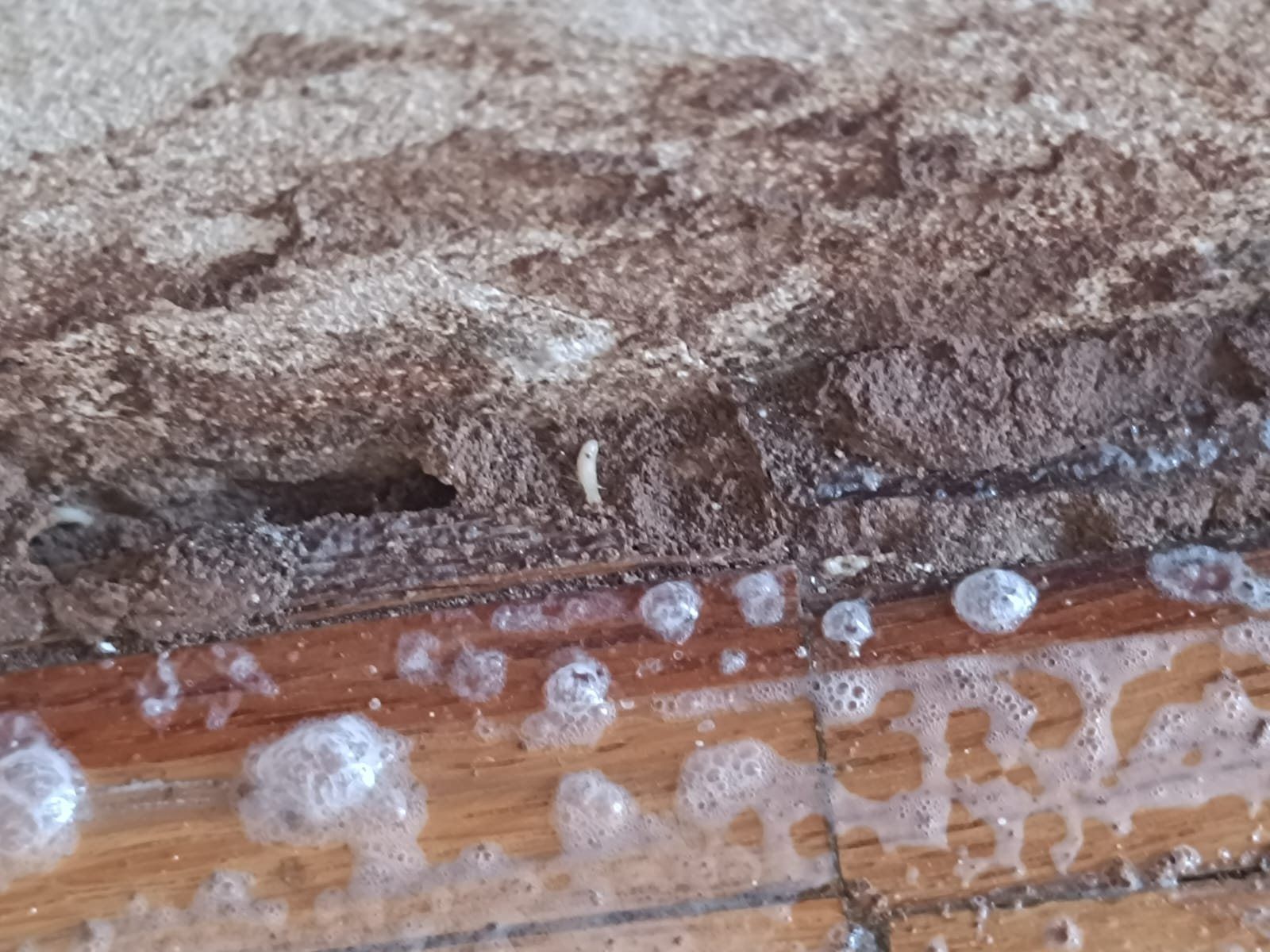
Treatment is selected according to pest identity, timber condition and whether activity is localised or structural.
See Steps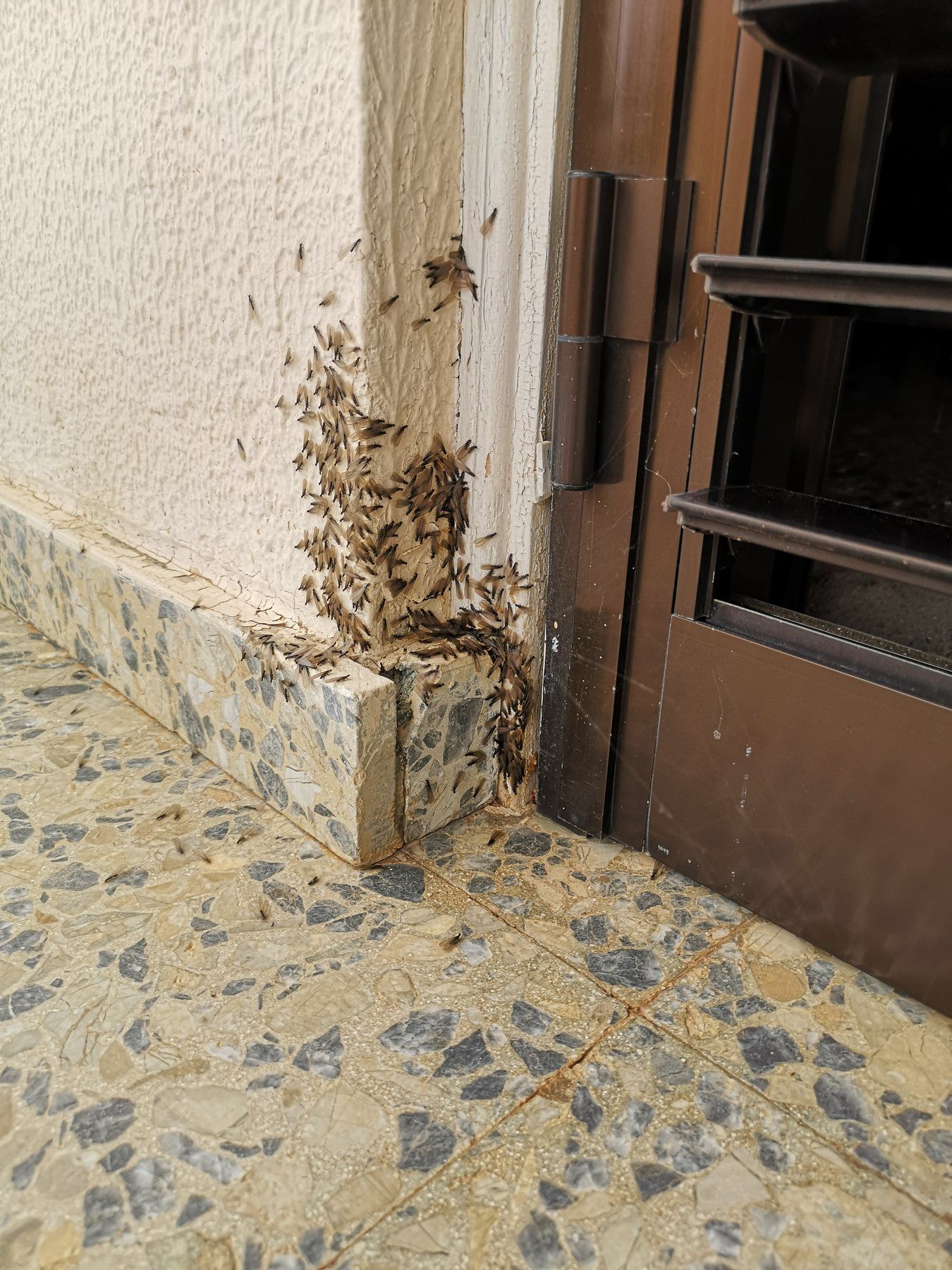
We document moisture, cracks, soil contact, stored wood and maintenance actions that influence future pressure.
See Steps
Treatment notes and review points help owners, facilities teams and contractors understand what to monitor next.
See StepsTimber pests are primarily a property risk. Early inspection helps prioritise repairs, treatment options and building maintenance decisions.
The page promise is backed by a repeatable service process: inspect, treat, document and reduce the conditions that caused activity.
We confirm whether signs point to termites, wood-borers, historic damage or another issue.
Timber, moisture, soil contact and stored materials are checked for active and future pressure.
Targeted treatment is chosen only after activity and access conditions are understood.
Moisture, storage and maintenance recommendations reduce the conditions pests exploit.
DIY products can support monitoring, hygiene and prevention. They are not a replacement for professional treatment when activity is active or spreading.
A practical checklist for spotting dust, holes, damp and recurring timber changes.
Support products for reducing damp-prone storage and maintenance risks after PPS advice.
Helpful for checking firewood, pallets and wooden goods before activity spreads indoors.
Book a PPS inspection for termite and wood-borer evidence, treatment options and prevention advice.