
Affected stock or packaging
Pest activity appears in cartons, pallets, stored products or returned goods.
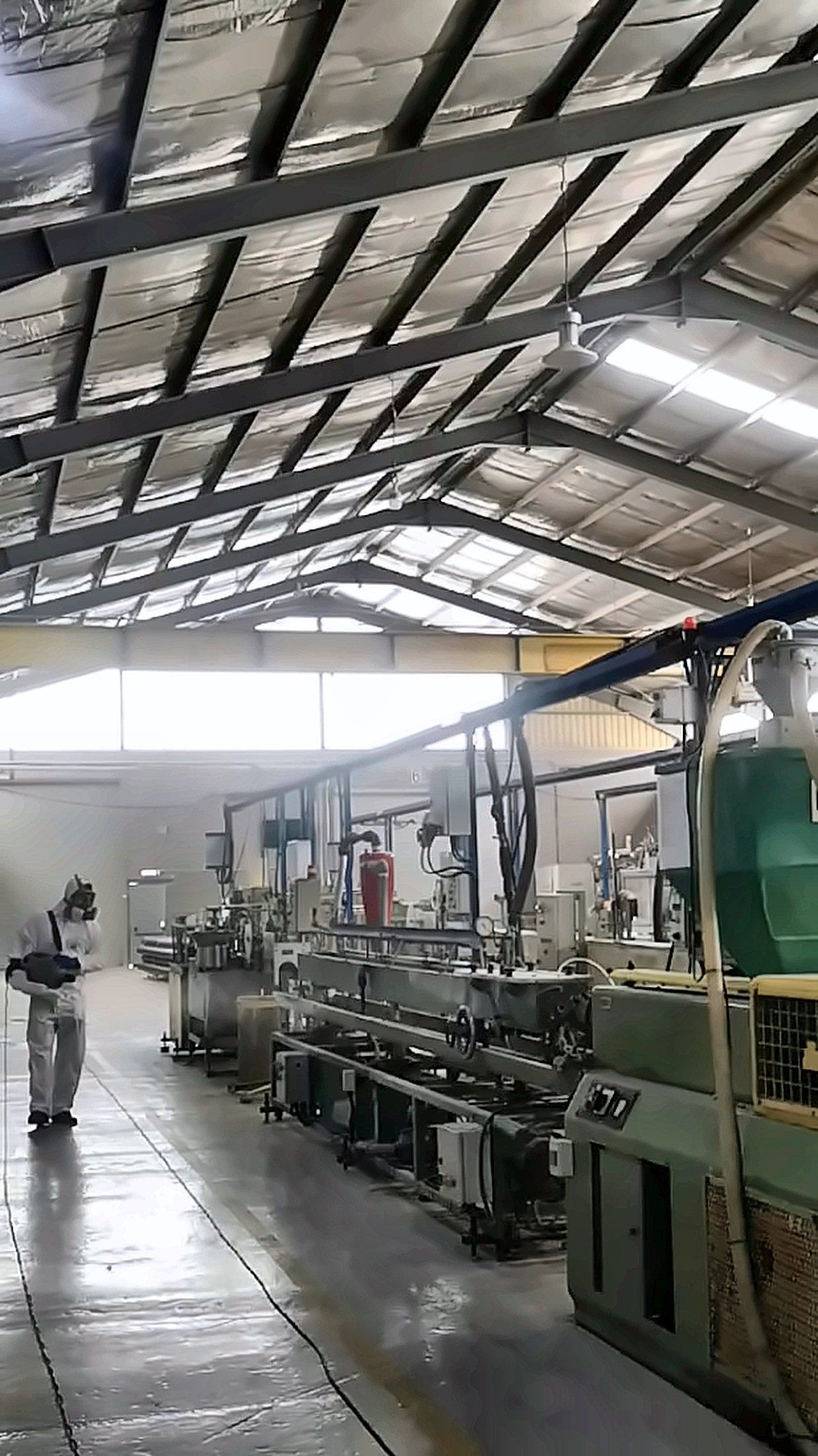
Targeted fogging, ULV and fumigation support for high pest pressure, stored goods, warehouses and sensitive spaces across Cyprus.
Warehouses, shipments and widespread activity handled with planned preparation, treatment and re-entry guidance.
Fumigation-style treatments are not a first response for every pest issue. They are considered when pest pressure is widespread, goods are affected, or a space needs a controlled treatment beyond localised baiting or residual work.
PPS starts with inspection and preparation guidance so the treatment method matches the pest, site layout, product sensitivity and safe re-entry requirements.
If activity is widespread, recurring or linked to stored goods, PPS can assess whether fumigation, fogging or another protocol is appropriate.
Scroll to explore warning signs
Pest activity appears in cartons, pallets, stored products or returned goods.
Sightings are not limited to one crack, drain or room and require broader mapping.
Persistent flying insects remain active despite hygiene and exclusion improvements.
Containers, imported goods or dispatch areas need assessment before movement or release.
Previous surface sprays have not resolved activity because the source remains untreated.
Commercial operations need planned treatment, ventilation and re-entry windows.
PPS combines inspection, targeted treatment and prevention guidance so the service fits what is actually happening on site.
Scroll to explore service steps
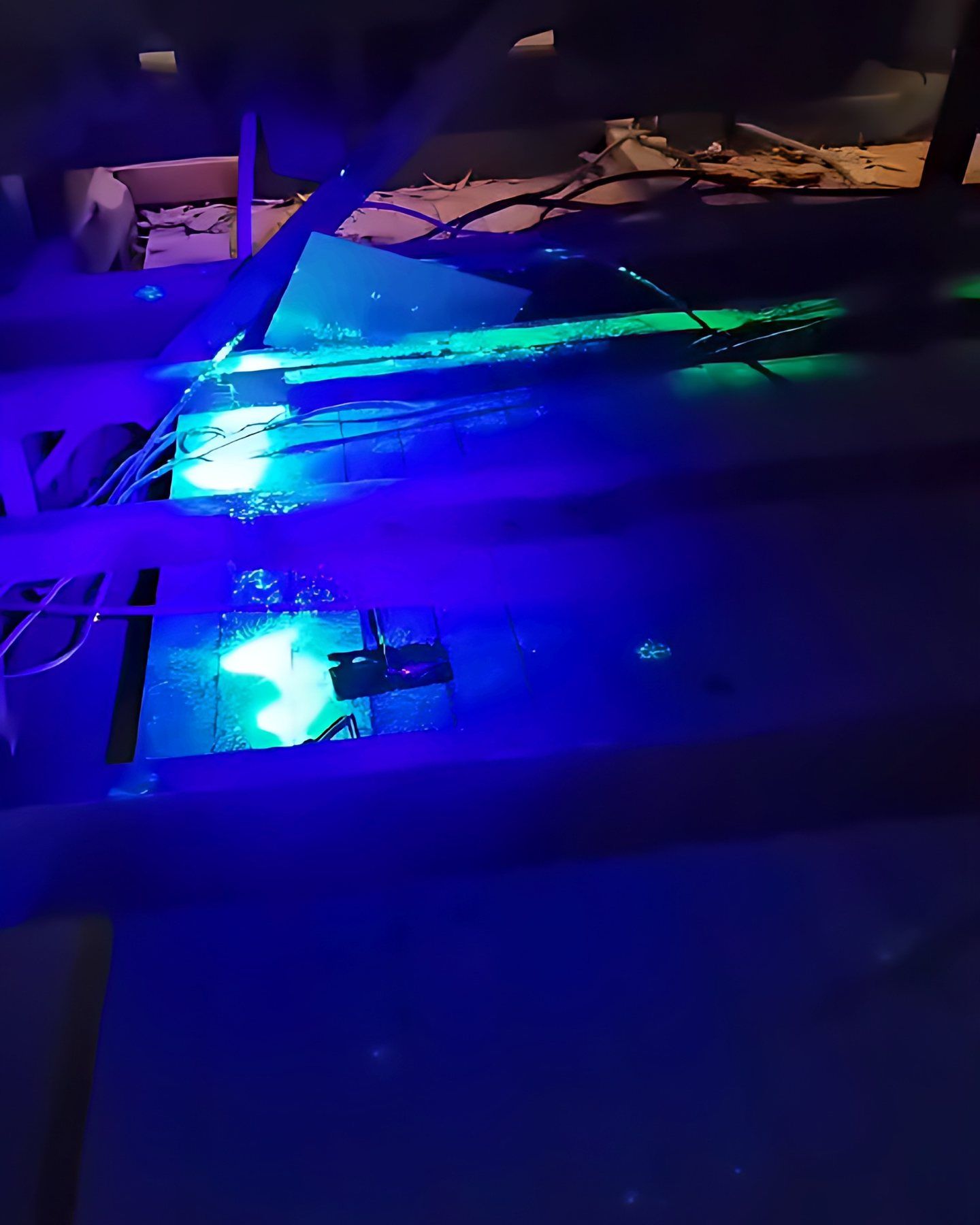
We confirm the pest, affected zones, sensitive materials, occupancy and preparation requirements.
See Steps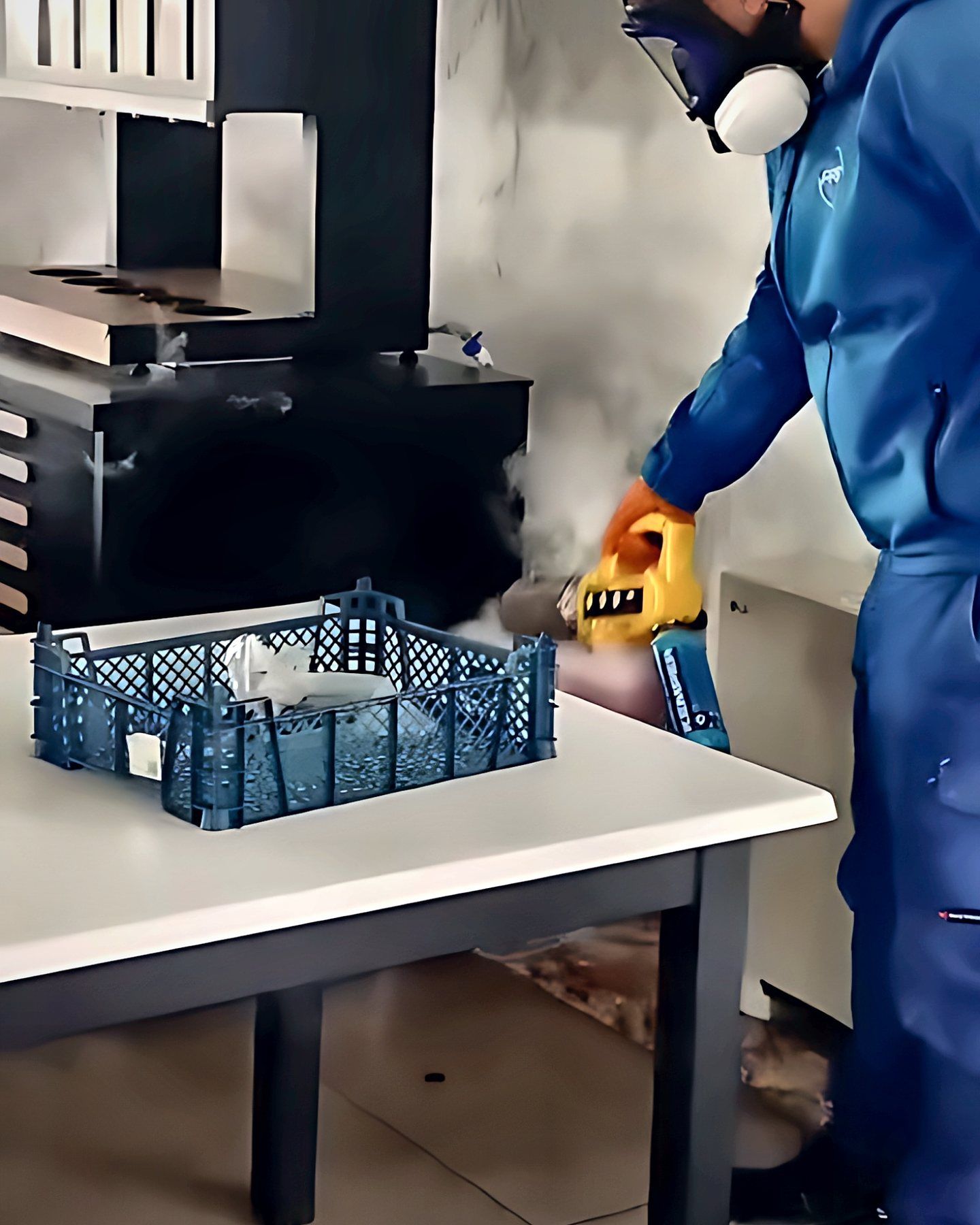
Your team receives practical instructions for access, stock handling, cleaning, shutdowns and re-entry.
See Steps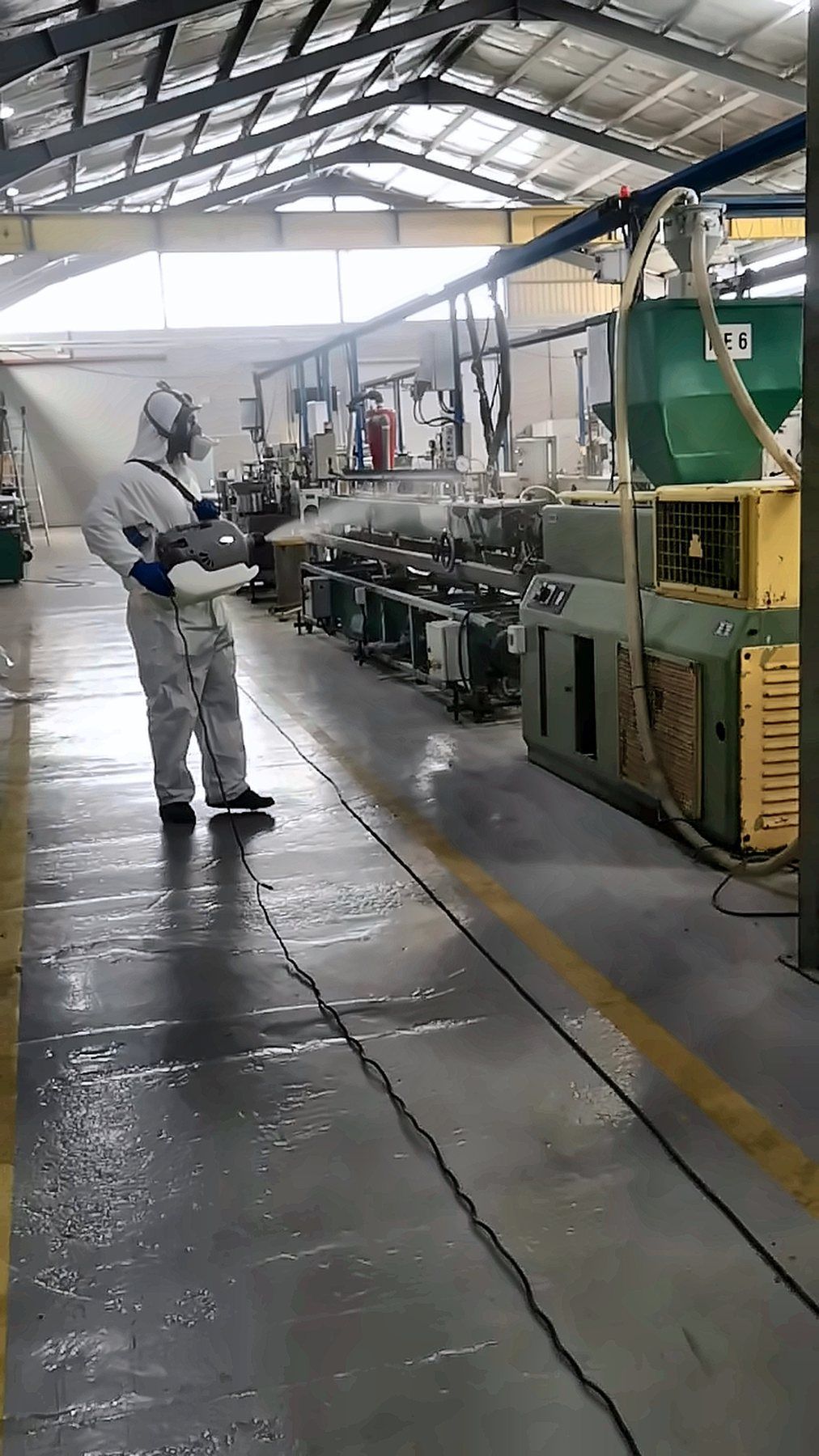
ULV, fogging or fumigation support is applied according to the agreed risk-assessed protocol.
See Steps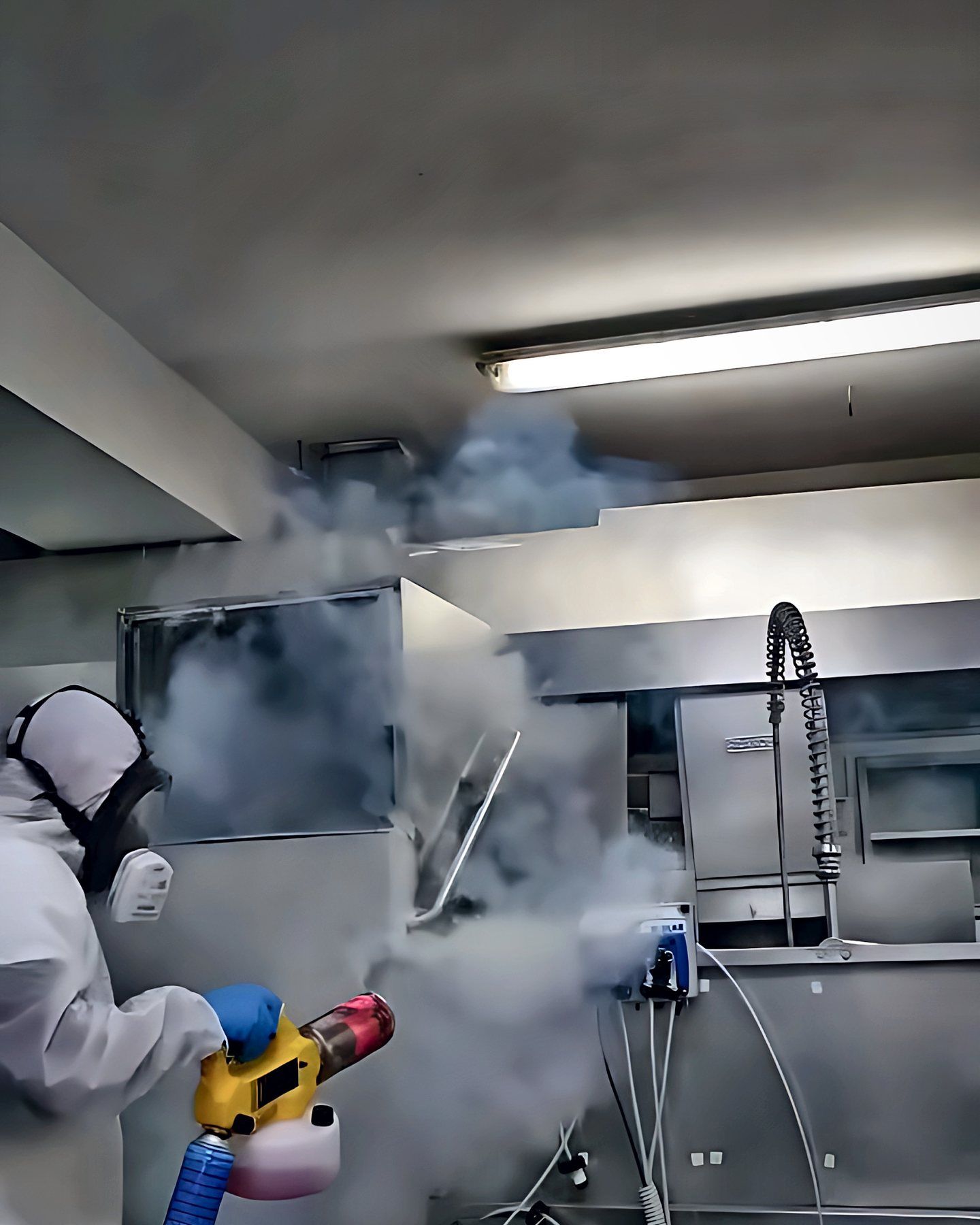
We provide re-entry guidance, monitoring advice and prevention actions to reduce recurrence.
See StepsFumigation and fogging treatments need careful planning to reduce avoidable risk to people, products, pets and business continuity.
The page promise is backed by a repeatable service process: inspect, treat, document and reduce the conditions that caused activity.
We verify pest species, activity spread, access needs and sensitive zones before proposing treatment.
Preparation covers people, pets, food, stock, equipment, shutdown windows and access control.
The selected fumigation, fogging or ULV method is delivered according to the agreed protocol.
We provide re-entry guidance, monitoring advice and actions that reduce future pest pressure.
DIY products can support monitoring, hygiene and prevention. They are not a replacement for professional treatment when activity is active or spreading.
A practical discussion with PPS before any controlled treatment is scheduled.
Traps and checks that help confirm whether activity is falling after the treatment window.
Proofing, storage and cleaning routines to reduce the need for repeat broad treatments.
Tell PPS what is affected, where the activity is appearing and when the site can be prepared for inspection.