
Live activity in occupied rooms
Cockroaches, rodents, bed bugs or other pests are seen where people sleep, work, cook or serve guests.
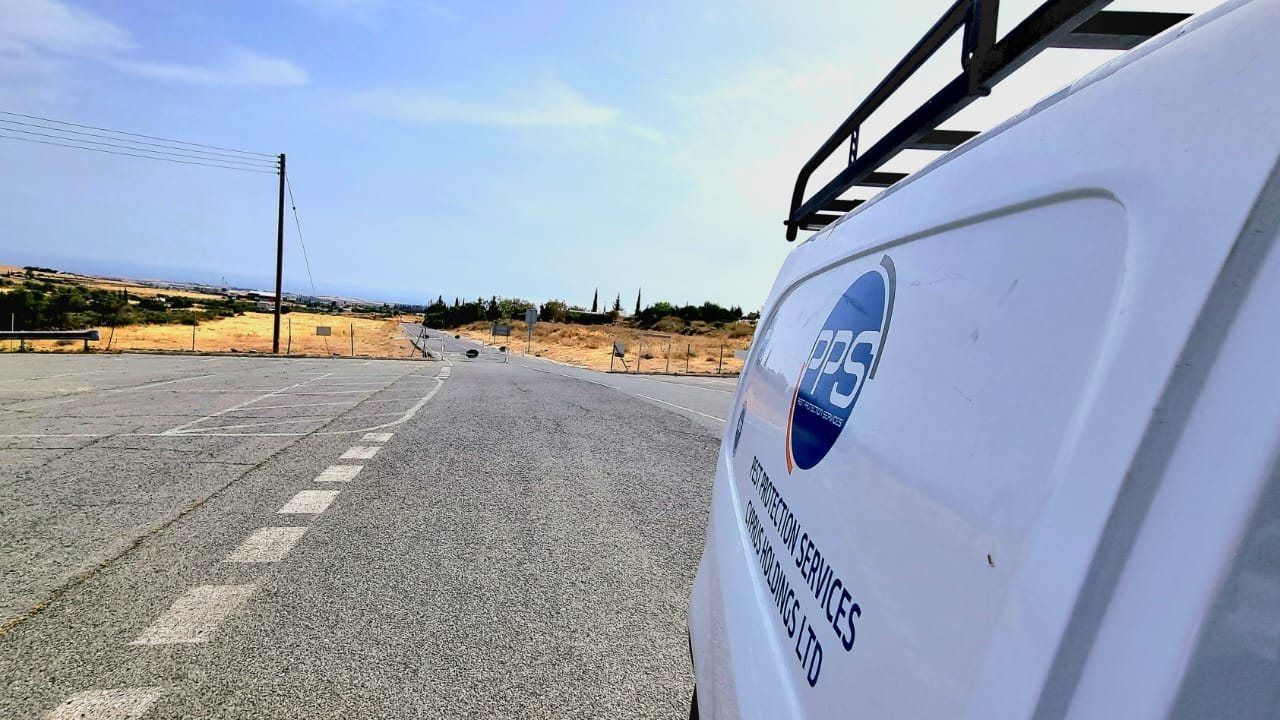
For active pest issues affecting people, guests, staff or trading, call PPS first. The PPS callback form can add site details but should not replace a call for active risk.
Call-first triage where scheduling allows for active pest activity, stings, bites, contamination concerns or business disruption.
Call-first pest control support is for active situations that could affect people, guests, food hygiene, staff work or business continuity. Examples include live rodents in occupied areas, wasps near people, repeated bites, heavy cockroach activity or visible contamination.
PPS keeps active-risk communication practical: call first, keep people away from the affected area where needed, then share the site details PPS requests so the team can decide the appropriate next step.
Call PPS first if pest activity is active, close to people, affecting food areas or disrupting a home or business site.
Scroll to explore warning signs
Cockroaches, rodents, bed bugs or other pests are seen where people sleep, work, cook or serve guests.
Wasps, rodents or birds are active near doors, bedrooms, roofs, balconies, play areas or service routes.
Droppings, gnawing, insects or activity appear in kitchens, bars, stores, production or serving areas.
People report repeated bites, stings or allergic concern connected with an active pest issue.
The issue affects customers, workers, check-in, service, housekeeping or business continuity.
Gnawing, blocked drainage, fouling, wiring risk or contamination needs call-first professional guidance.
PPS combines inspection, targeted treatment and prevention guidance so the service fits what is actually happening on site.
Scroll to explore service steps
PPS clarifies what is active, who is exposed, the site type, access constraints and the suitable next step.
See Steps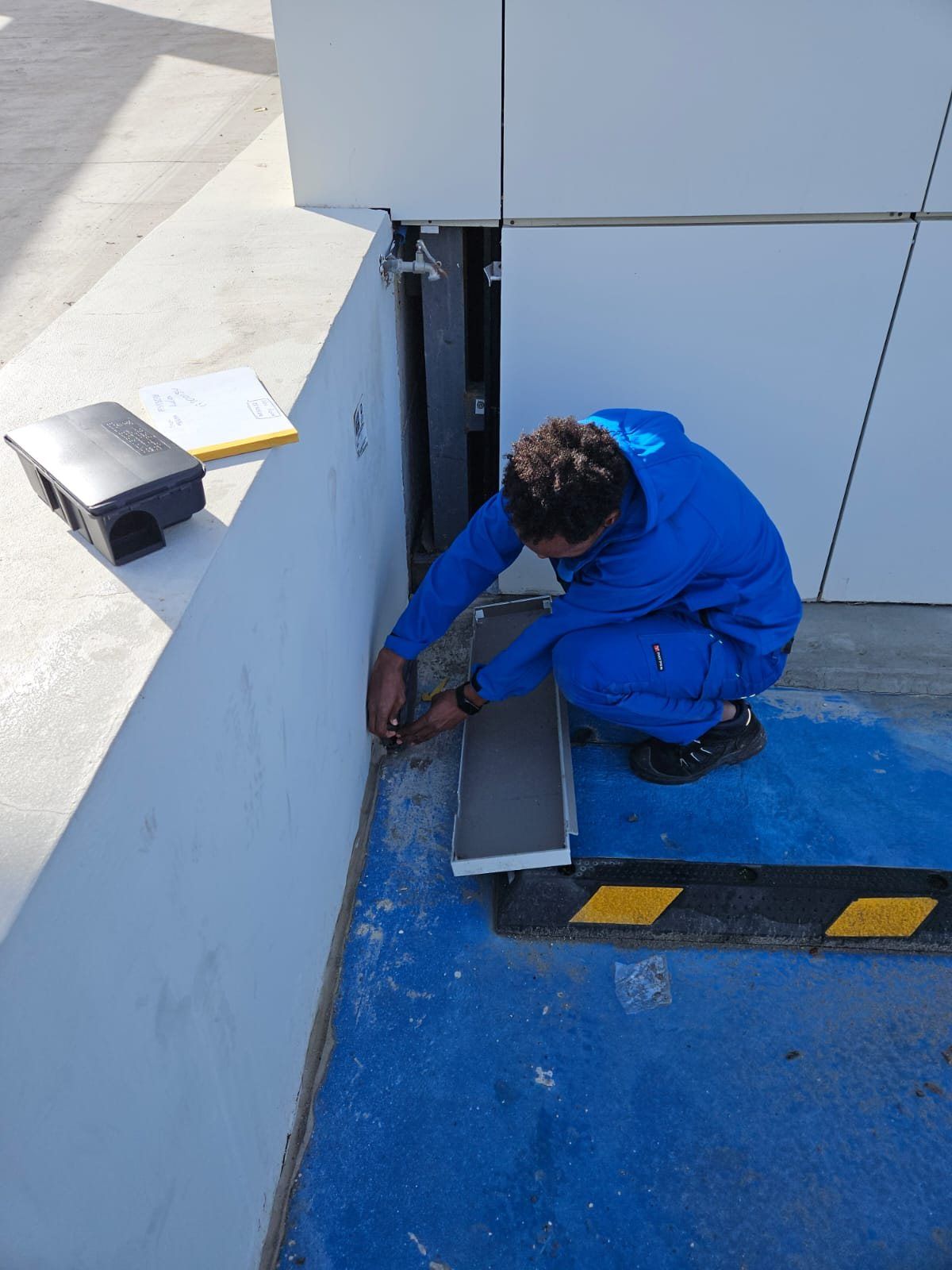
Where scheduling allows, PPS assesses activity, species indicators, entry routes and risk zones before treatment.
See Steps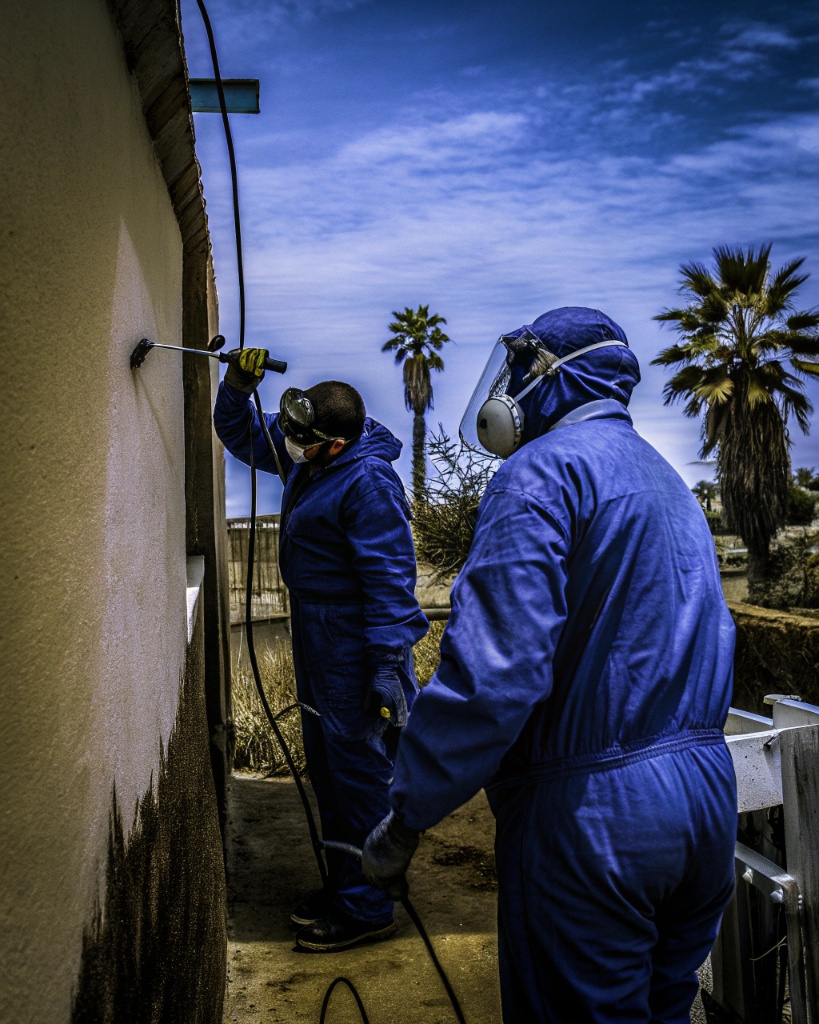
Treatment or containment is selected for the pest, site risk and site-use constraints; PPS avoids one-size-fits-all spraying.
See Steps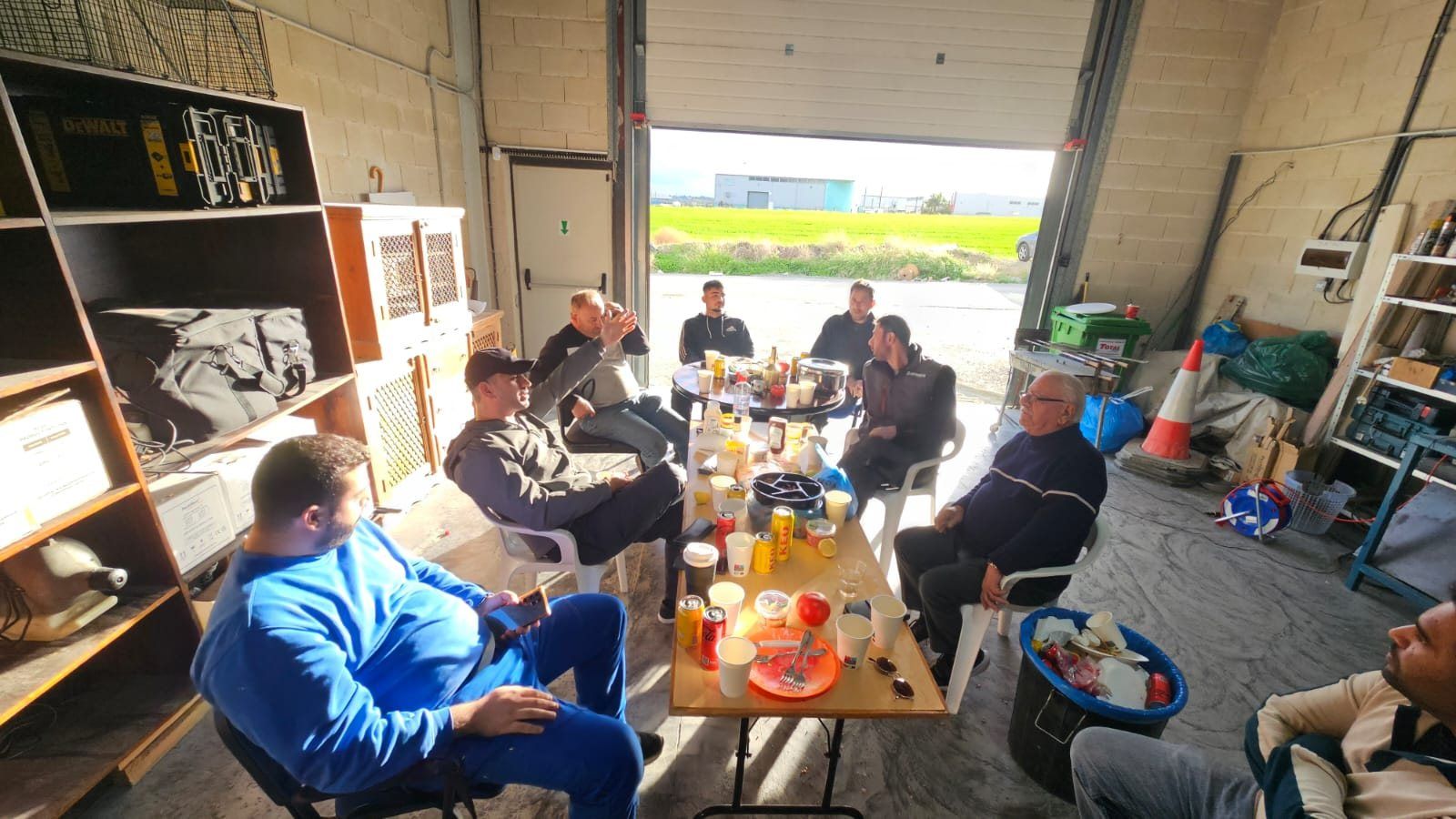
Once the active risk is handled, PPS documents prevention, proofing, hygiene or follow-up actions.
See StepsActive pest pressure can affect health, food hygiene, guest confidence and building operations when left unmanaged.
The page promise is backed by a repeatable service process: inspect, treat, document and reduce the conditions that caused activity.
For active risk, call 77 77 21 21 before relying on a form submission.
Where possible, restrict access to the affected area and avoid disturbing nests, droppings or contaminated material.
Use the PPS callback form to add address, pest concern, occupancy, business type and active-risk notes requested by PPS.
The team confirms whether attendance, standard inspection or a different suitable next step is appropriate.
DIY products can support monitoring, hygiene and prevention. They are not a replacement for professional treatment when activity is active or spreading.
A simple list of site details to collect before or during the PPS triage call.
Prevention support for proofing, hygiene and monitoring after PPS has assessed the active issue.
Tools for recording access points, affected rooms and corrective actions after call-first guidance.
For active pest risk, call 77 77 21 21 first. The PPS callback form can add site details; it does not replace a call for active pest risks.