
Repeated trails
Lines of ants return along tiles, counters, skirting boards or external walls after cleaning.
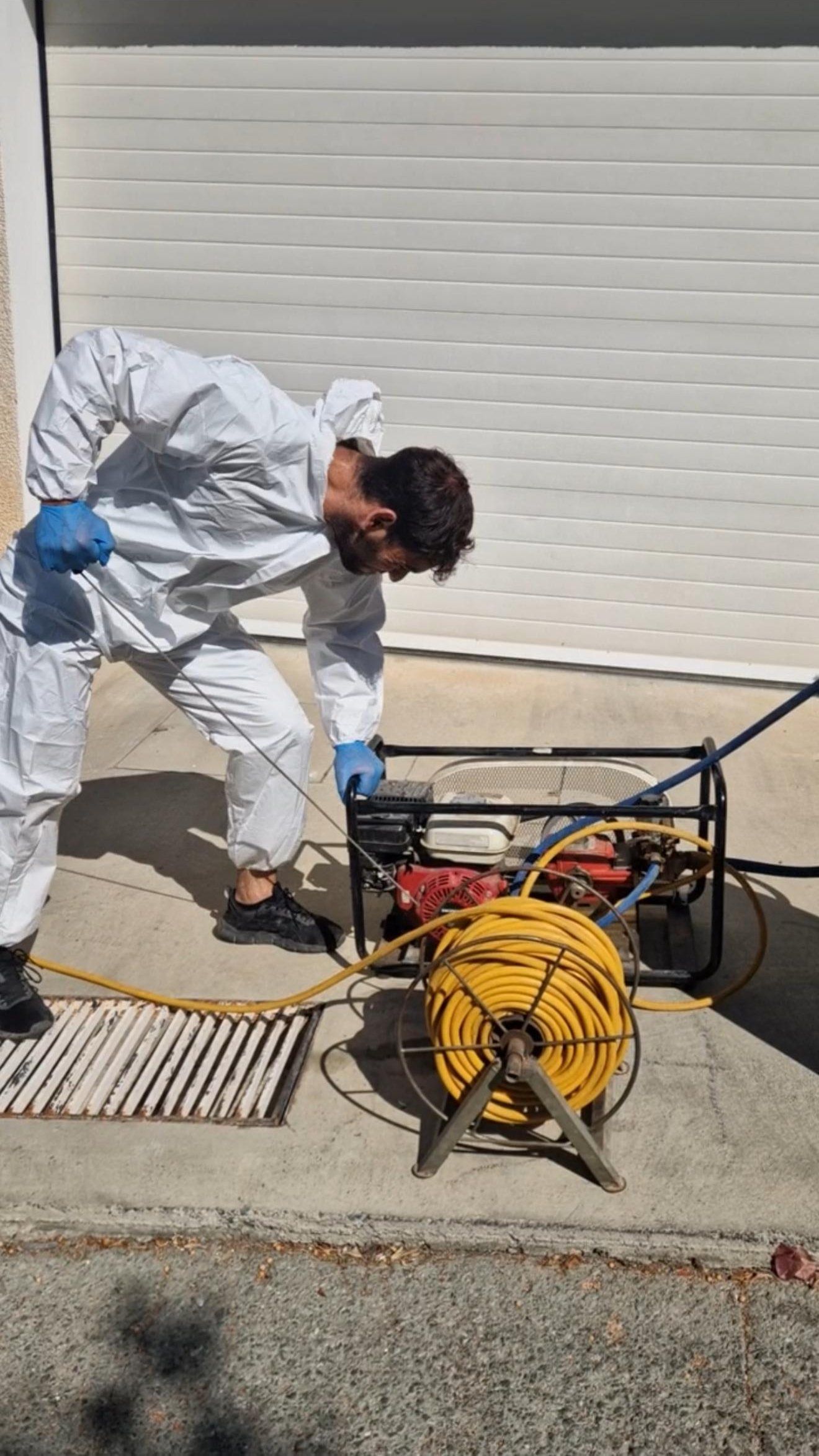
Address recurring ant trails with inspection-led treatment that looks for the nest, entry points, moisture and food sources across homes and business sites.
Species-aware inspection, nest-focused treatment and prevention guidance for Cyprus properties.
Ants often enter Cyprus homes and food sites during warm months while searching for water, sugar and sheltered nesting points. Spraying only the visible trail can scatter activity or leave the nest untouched.
PPS looks for the species, nest location, entry route and conditions that keep ants returning. Treatment is matched to the site, then supported with practical cleaning, proofing and moisture advice.
Recurring trails, soil piles and activity around food areas usually mean the source needs tracing rather than surface spraying.
Scroll to explore warning signs
Lines of ants return along tiles, counters, skirting boards or external walls after cleaning.
Small piles appear near cracks, paving, window frames or wall-floor junctions.
Ants emerge from pipe penetrations, door thresholds, patios, cupboards or service voids.
Trails reach counters, dry stores, pet bowls, bins or food-preparation zones.
Flying ants near windows, lights or patios can indicate a mature nest nearby.
Visible activity drops briefly, then returns from a nearby or hidden nest.
PPS combines inspection, targeted treatment and prevention guidance so the service fits what is actually happening on site.
Scroll to explore service steps
We follow activity from the visible trail back toward entry points, nesting areas, food sources and moisture.
See StepsTreatment is selected for the ant species, location and pressure level so the source is addressed responsibly.
See Steps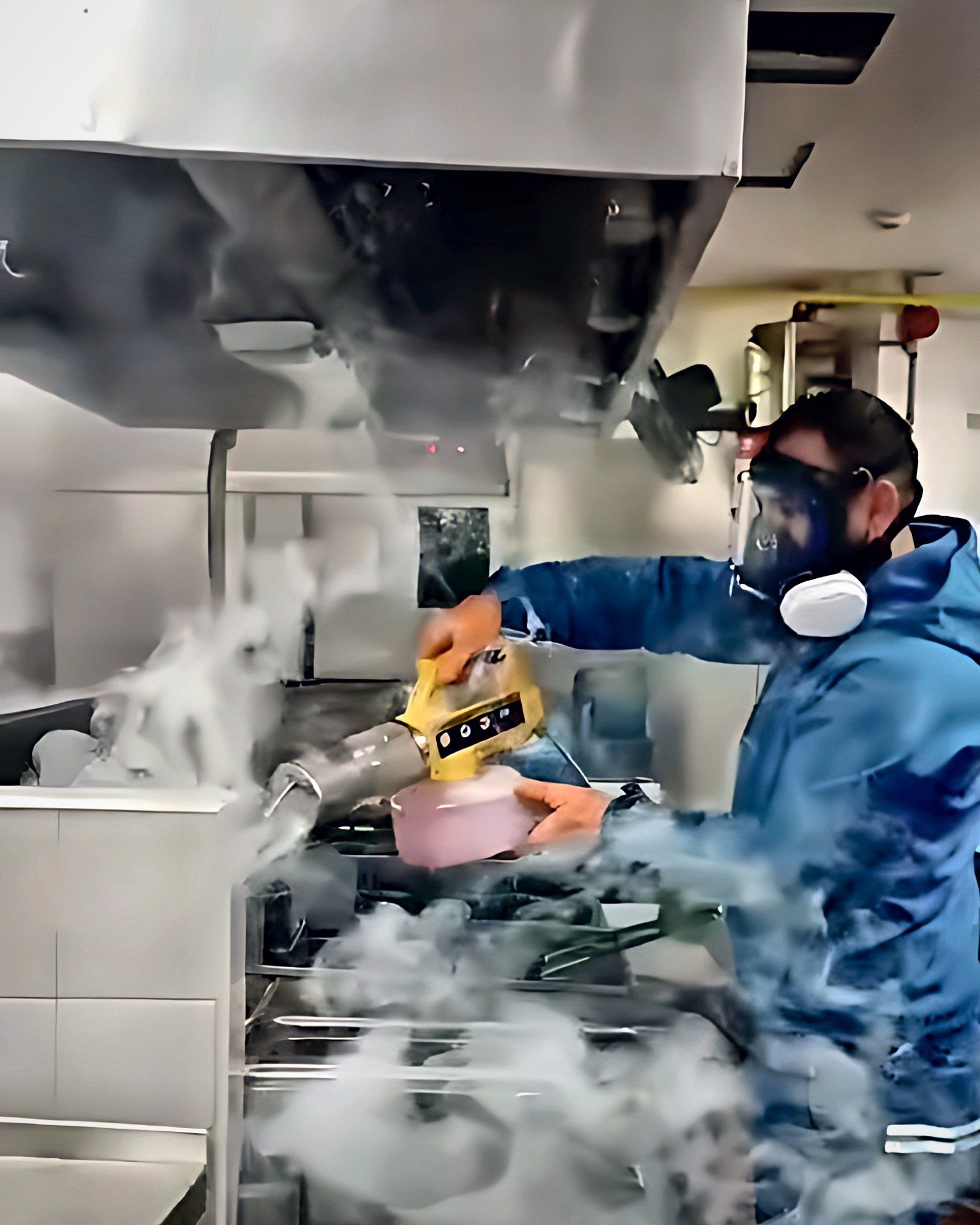
We document practical steps around crumbs, sugar residues, bins, pet food, standing water and small cracks.
See Steps
Cafés, restaurants and managed sites receive clear treatment notes and corrective actions for staff follow-up.
See StepsAnts are usually a nuisance pest, but repeated activity around kitchens, stores and customer areas needs proper source control.
The page promise is backed by a repeatable service process: inspect, treat, document and reduce the conditions that caused activity.
We inspect visible activity, likely nests, entry points and attractants before selecting treatment.
The treatment method is matched to species, location, access, safety and pressure level.
We give practical notes for food residues, pet bowls, bins, water sources and cracks.
Follow-up guidance explains what to watch for and when PPS should review activity again.
DIY products can support monitoring, hygiene and prevention. They are not a replacement for professional treatment when activity is active or spreading.
Simple checks for cracks, thresholds, paving edges and service routes after PPS advice.
Cleaning and storage aids that support PPS corrective actions around food and sugar residues.
Support items for spotting damp areas, leaks and small gaps that attract repeated activity.
Ask PPS to trace the source and recommend a responsible treatment and prevention plan for your property.